Viewing entries tagged
Arthur Sze

Book Looks, Part 6: National Poetry Month Edition

Comment

Book Looks, Part 6: National Poetry Month Edition

Hello Friends, and welcome back to Book Looks!

I began this blog series in 2021 to highlight some of the interesting volumes here in the St Brigid Press library — from the history of book-making to printing press maintenance, from typography and type design to the biographies of famous (or not) printers, and from paper-making to wood-engraving. You can see links to previous Book Looks installments at the end of this post.

But hey! It’s April, which means it’s National Poetry Month in the U.S.! So I’d like to offer a twist on this newsletter series today and spotlight a few poetry-themed books I’m engaging (and which currently are on top of the leaning-tower-of-language stacked by my chair). I’m always dipping into some volume or another of poetry, and the three I introduce below are hot off the press (not mine, but a few venerable American publishers).

Thanks for reading, friends! And perhaps one of these books might spark your own interest!

Emily
BOOK LOOKS, PART 6: National POETRY Month EDITION


1. Attached to the Living World: A New Ecopoetry Anthology edited by Ann Fisher-Wirth & Laura-Gray Street
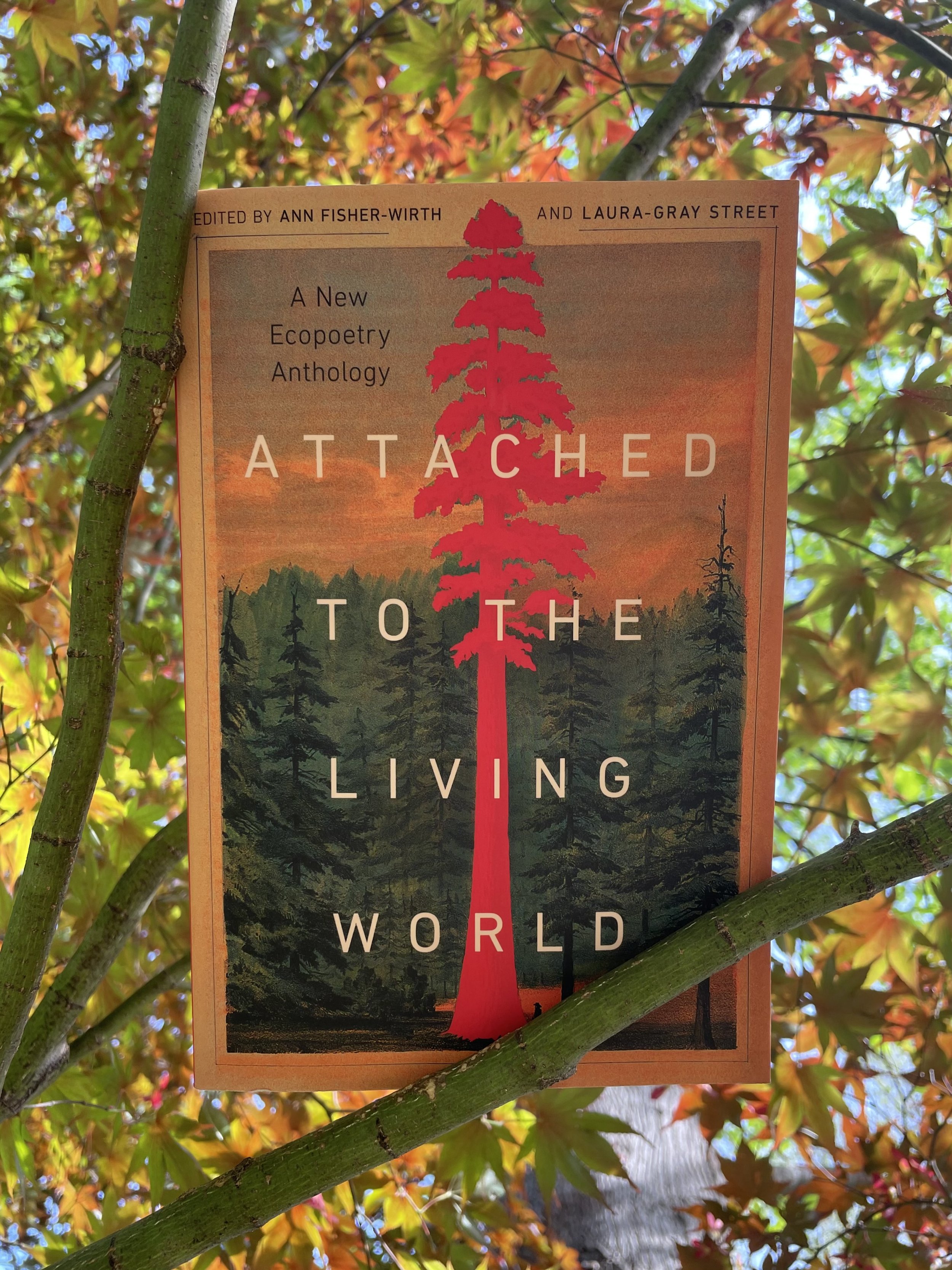
A week ago, this thick-but-approachable tome was placed literally in my hands by one of the owners of my local bookshop, Stone Soup Books. Janie had just met one of the editors at an event, had high praise, and, like the excellent bookseller she is, knew in a flash that I would love this book. And I do — it nimbly updates the poetic conversations around nature and the environment that editors Fisher-Wirth and Street began with their first volume, The Ecopoetry Anthology, almost 15 years ago. This new collection is packed with 150+ emerging and established poets, most of which are completely new to me. And that is a valuable thing — as much as we will always need and read the likes of Mary Oliver, Wendell Berry, and Gary Snyder, it’s the new(er) poets who now are wrestling with and writing from the live edges of climate change, extinctions and migrations, and our own actions and emotions in the midst — the happenings, heartbreaks, and hopes of right here, right now. I am very grateful to have my own engagement deepened and broadened by this collection.


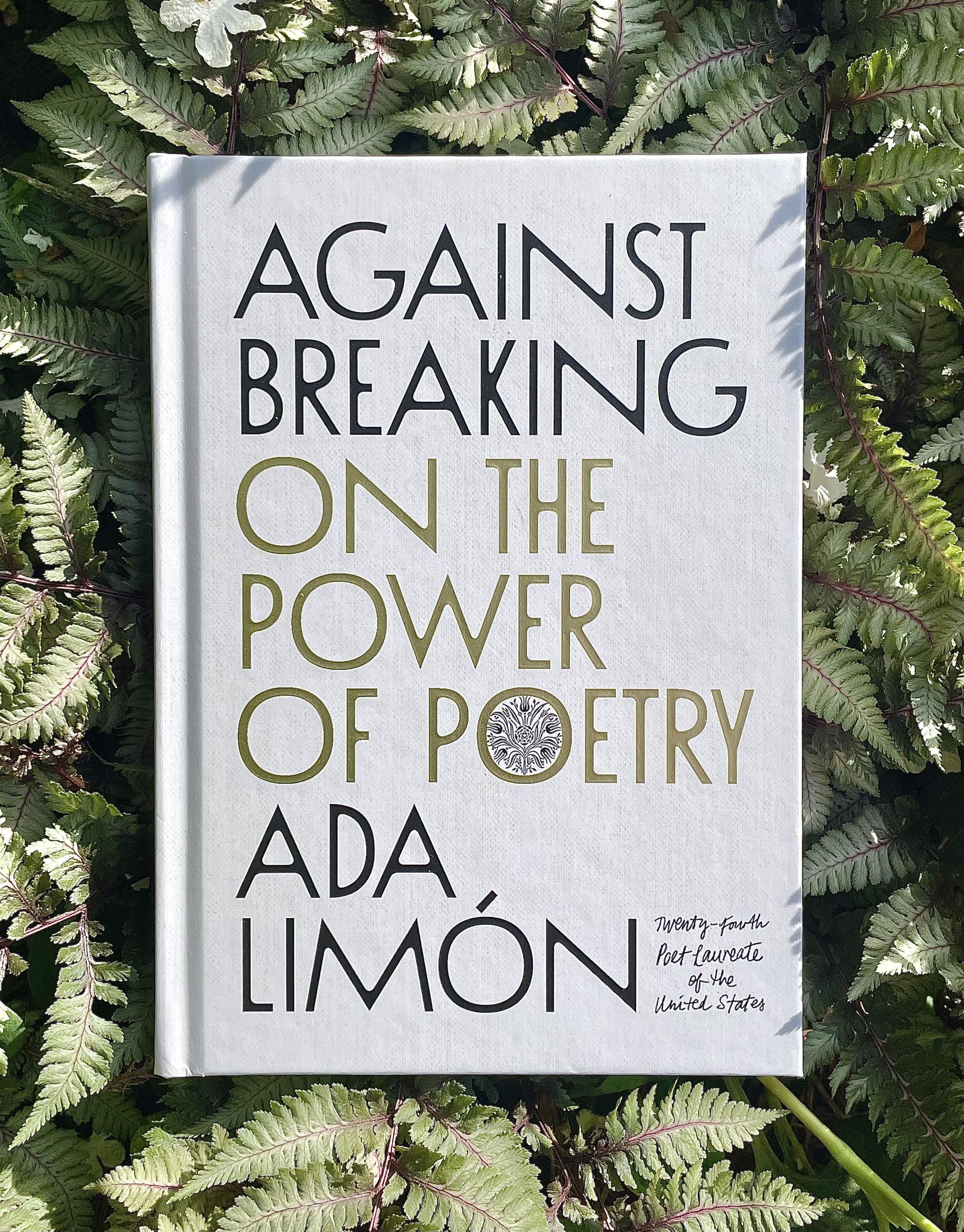
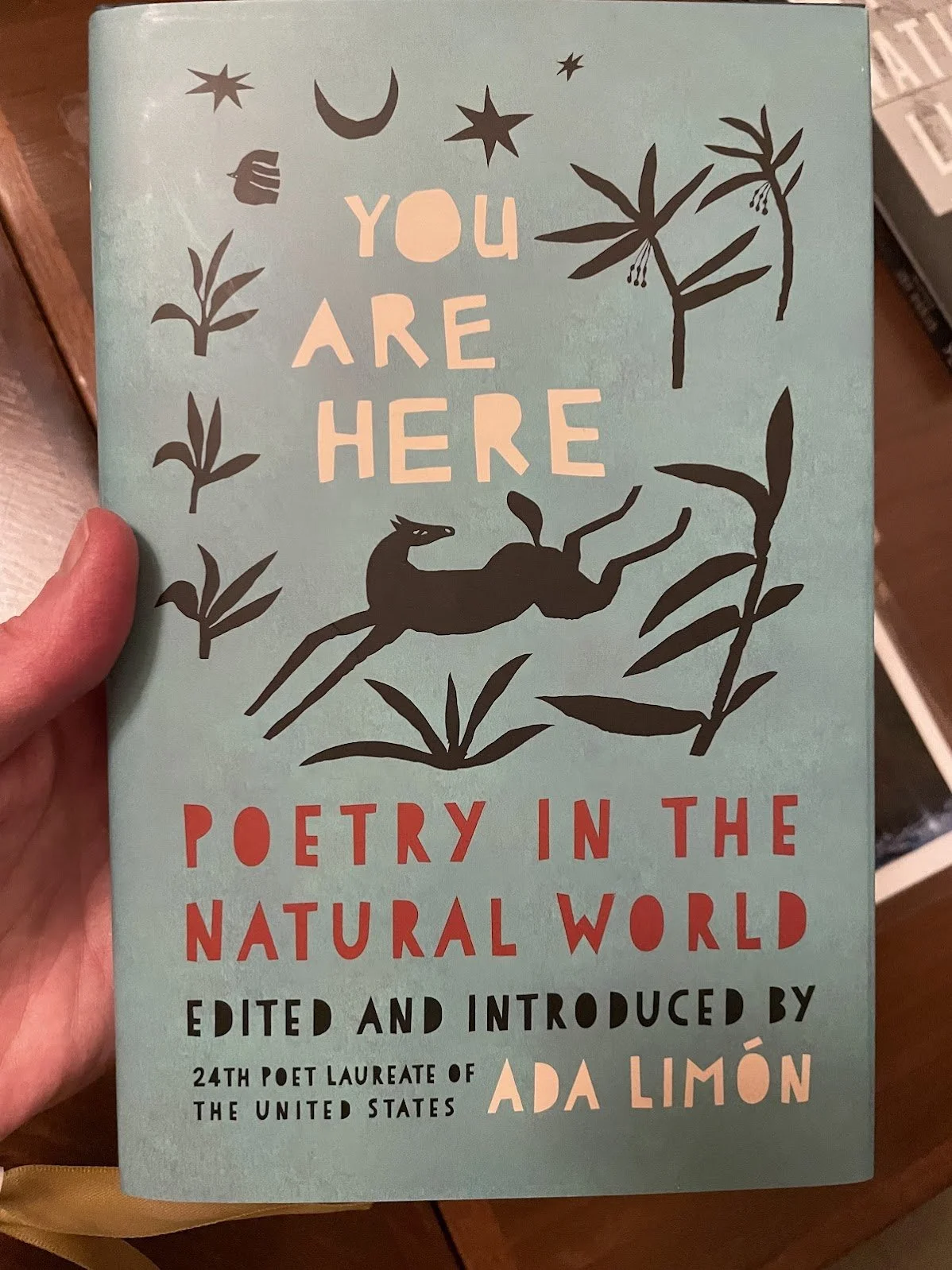
Visiting your local bookshop is such a delightful peril. Two days ago I walked into Stone Soup Books again and this time the other owner, Mary Katharine, met me at the door saying, “Have you heard of this book?!? I just finished listening to the audio edition and it’s wonderful — I know you will love it!” …*sigh*… She waved a small, slim book in the air. It had a title I immediately loved, in addition to MK’s irresistible pitch. Against Breaking is the text of Ada Limón’s speech given at the Library of Congress on April 17th, 2025, at the close of her tenure as the 24th United States Poet Laureate (a tenure in which, among many other things, she helped bring installations of poetry into picnic areas of National Parks). In the book’s foreword, she is unabashed about her intention that evening: “I was given a fifty-minute time limit, and I knew, despite wanting to say so much about the current state of the world, I wanted to do at least one thing: make a case for poetry... I hope you feel invited into the room, the large room we all must create together, the room where we all must work hard to save what matters.” Truth be told, that’s as far as I’ve read in the past 48 hours, friends; and yet I’m hooked. Well, you could say, she’s preaching to the choir. Yes. But. Whether we’re in that choir already or just humming a tuneless tune down the street outside, we all need “the daily bread of language” (as I’ve written elsewhere), and we need reminding of the ever-present and catalytic power of that language. Especially (for this aging second-soprano) poetry. I think Limón’s text will be one that both invites and revivifies.


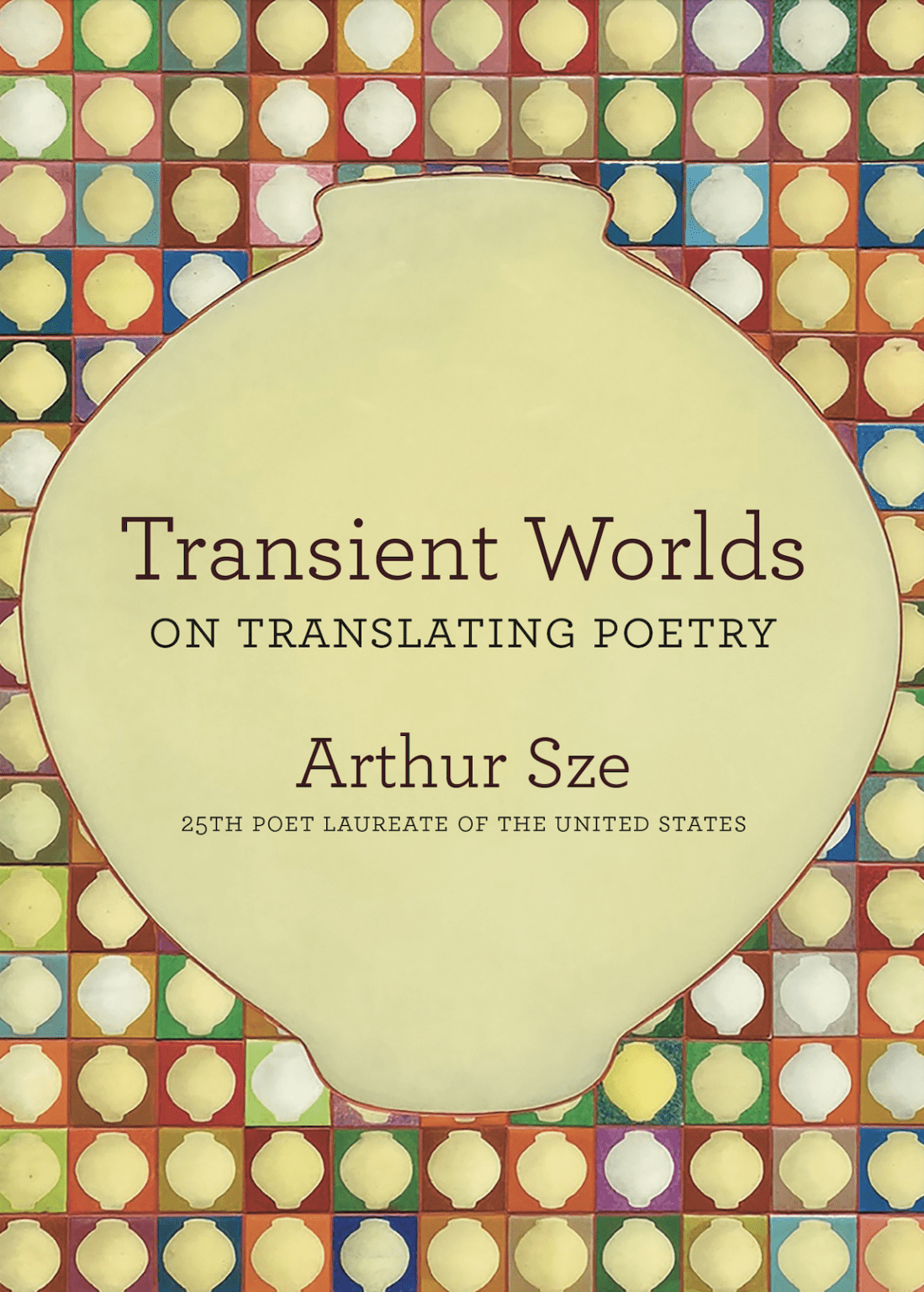
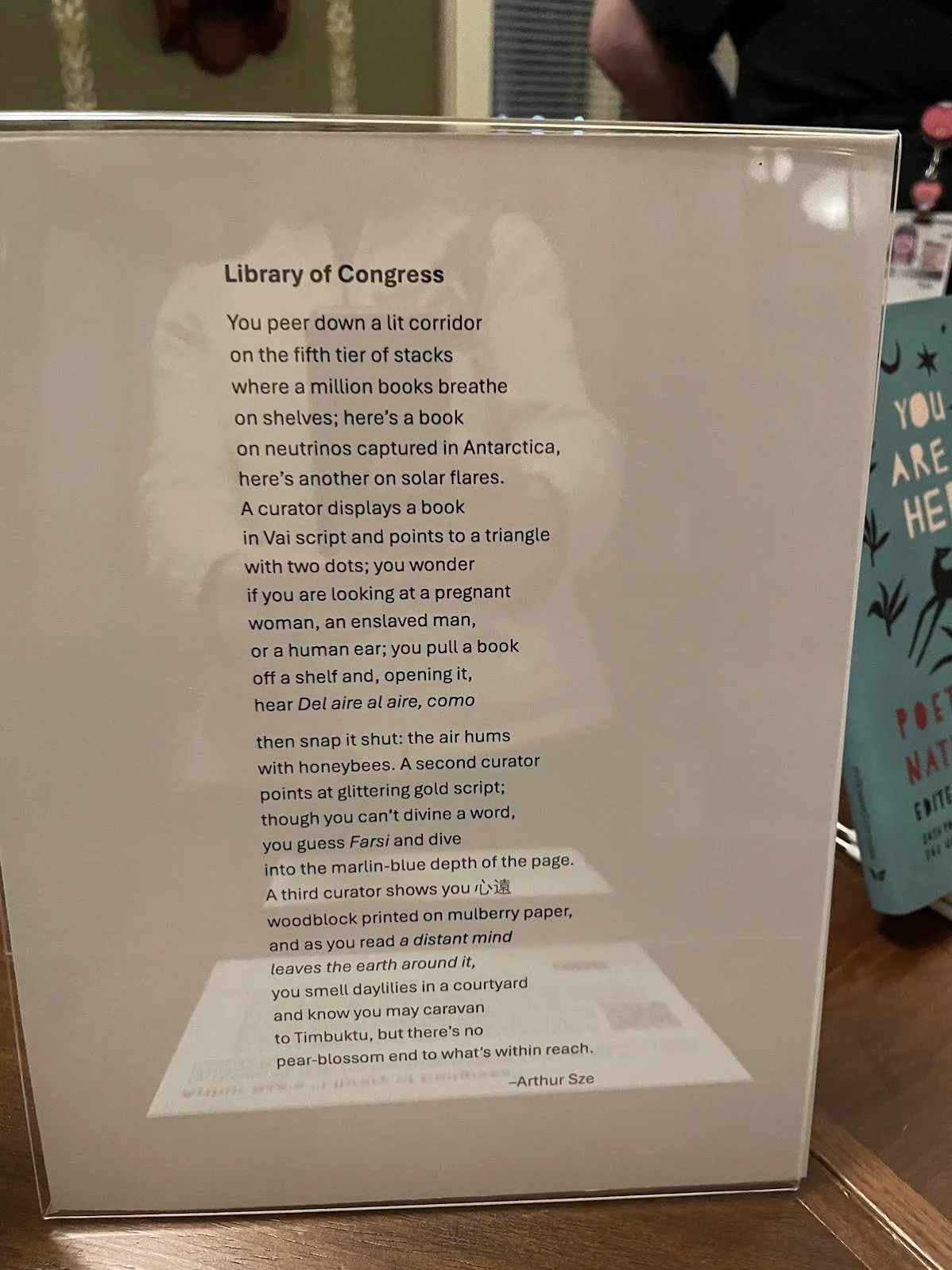
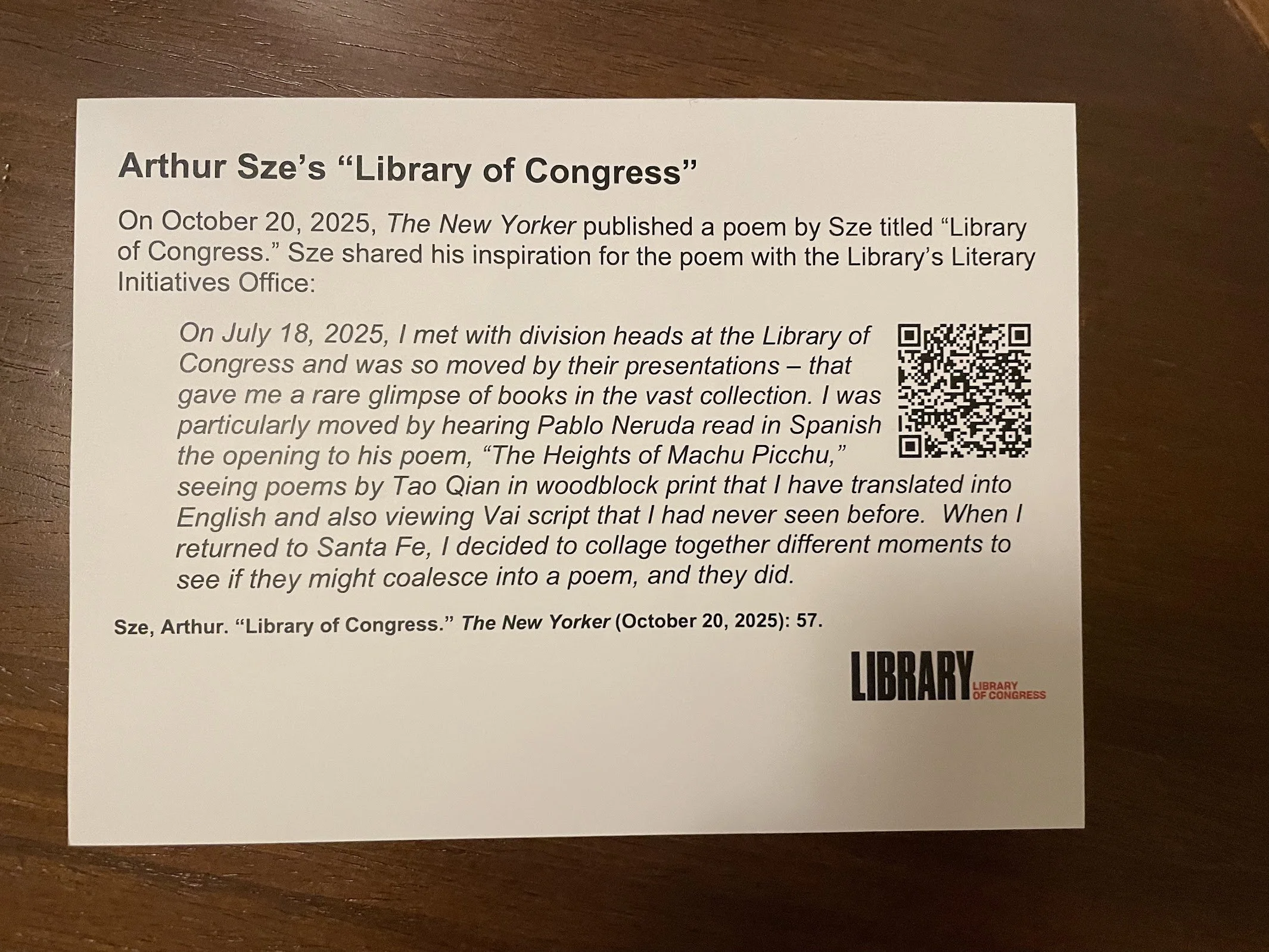
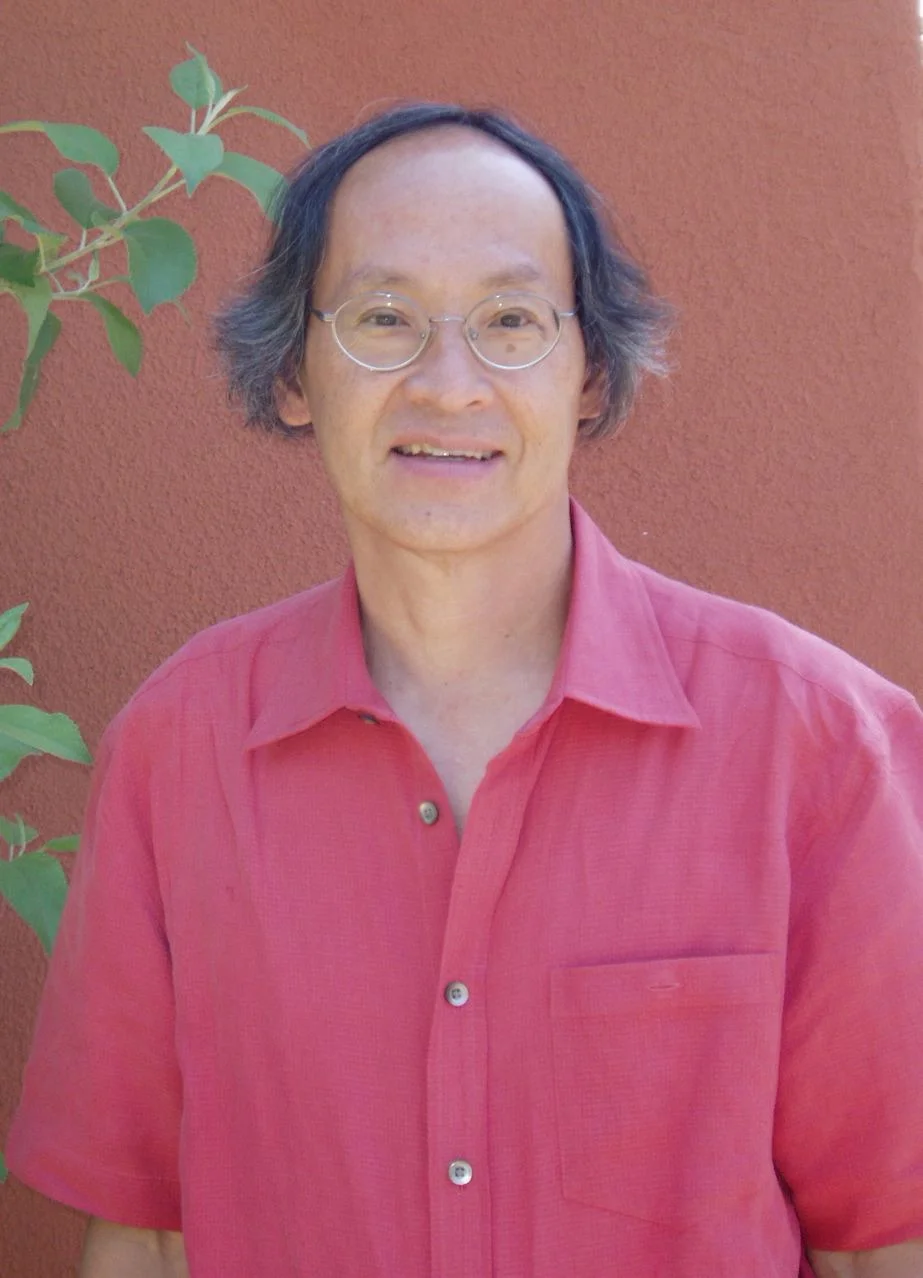
This book is so new I haven’t even received my copy yet (I preordered it last year through the publisher, Copper Canyon Press). How can you recommend a book you haven’t even seen? you ask. Because of the name that’s on the front: Arthur Sze. Most of you all know by now that my friend and sometimes collaborator Arthur is the current United States Poet Laureate (and just signed up for a second term!). His signature laureateship project, “Words Bridging Worlds,” revolves around highlighting poetry in translation — that is, work originally written in languages other than English. An accomplished translator himself, Sze’s new book is “a personal guide to poetry in translation… focusing on an accessible selection of key works [taking] readers through nearly two millennia of poetry from every part of the world.” I’ve been drawn to poetry-in-translation for several decades, with deep dives into ancient Chinese and Japanese verse as well as modern Swedish work in particular. Every encounter with poetry from a culture other than my own has opened my mind and heart, and has cultivated new creative connections across time and space. Arthur’s latest book is poised to contribute even more understanding, conversation, and inspiration in this vein. (Ok, now I must go check the mailbox again…)

* SPECIAL NOTE: This Monday, April 20th at 8:15pm (Eastern), Arthur Sze and Michael Wiegers will be hosting a virtual celebration of and behind-the-scenes look at this book! The show’s description sounds fascinating — read about and sign up for the digital event here: “A Celebration of Transient Worlds”


Ok, friends, I am headed back to the print shop for now. Thanks for coming along today as we looked at some fabulous new poetry books! Next time, it’ll be back to type and ink and presses ;-)

All best,
Emily


Comment

A Visit to the Library of Congress

7 Comments

A Visit to the Library of Congress

(To listen to this essay, read by the author, click the black bar below.)

Emily Hancock Emily reads "A Visit to the Library of Congress" (10 min 52 sec)

Dear Friends of the Press,

Photo courtesy of the Library of Congress.

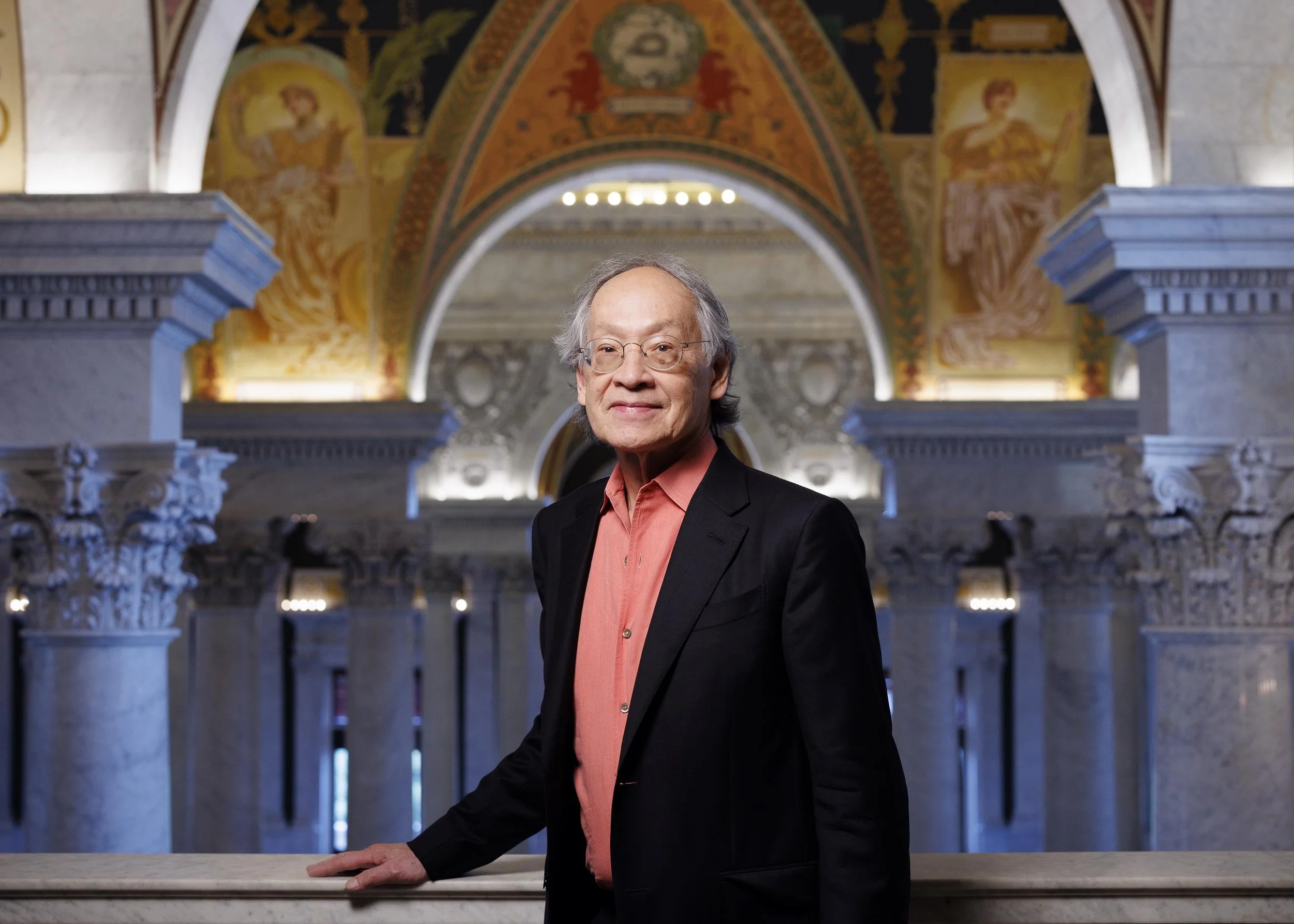
Sometimes life ushers in an experience that you immediately recognize as important, as profoundly resonant, and as catalytic. I had the good fortune to be in the midst of such an experience on December 11th, when I drove up to Washington, D.C., to attend the inaugural reading of the nation’s 25th poet laureate, Arthur Sze, at the Library of Congress.

Arthur has been a friend and collaborator for many years now, and news of his laureateship earlier this autumn was both surprising (“Whoa! I know this guy!”) and not surprising (“Of course they’d pick him — he’s an outstanding ambassador for poetry.”). When the invitation came to join in the inaugural festivities, I determined to go and cheer him on if at all possible.

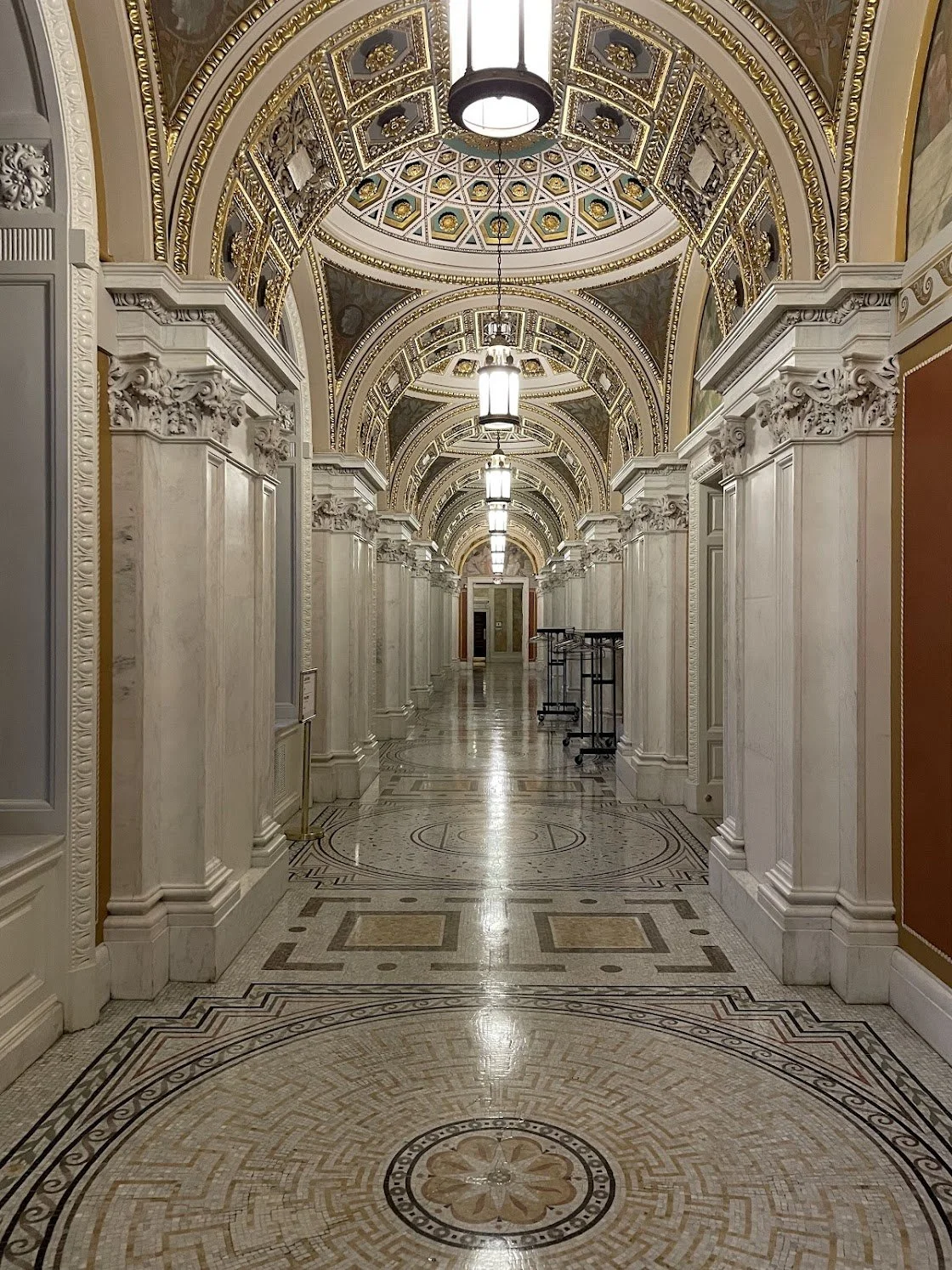
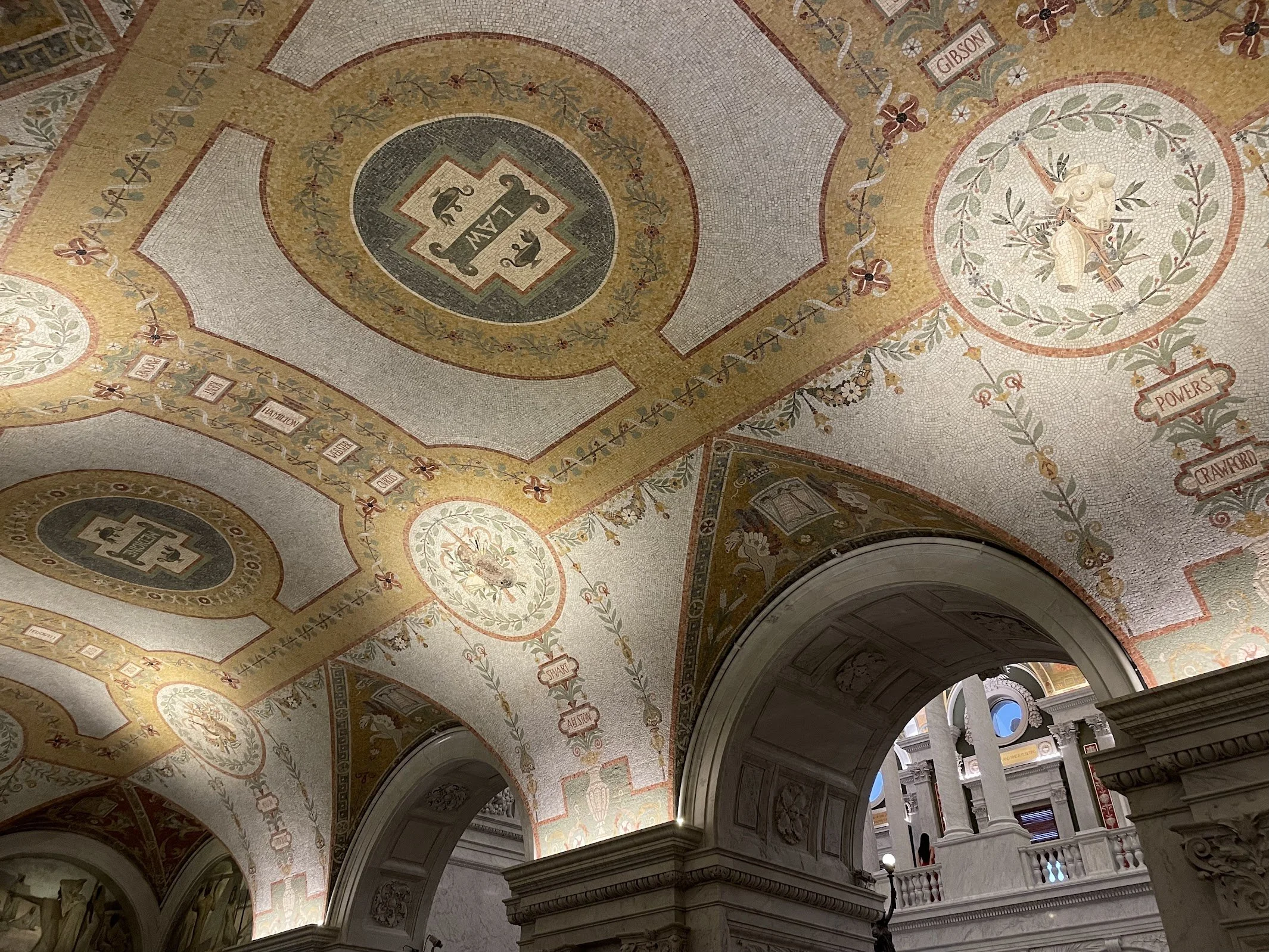
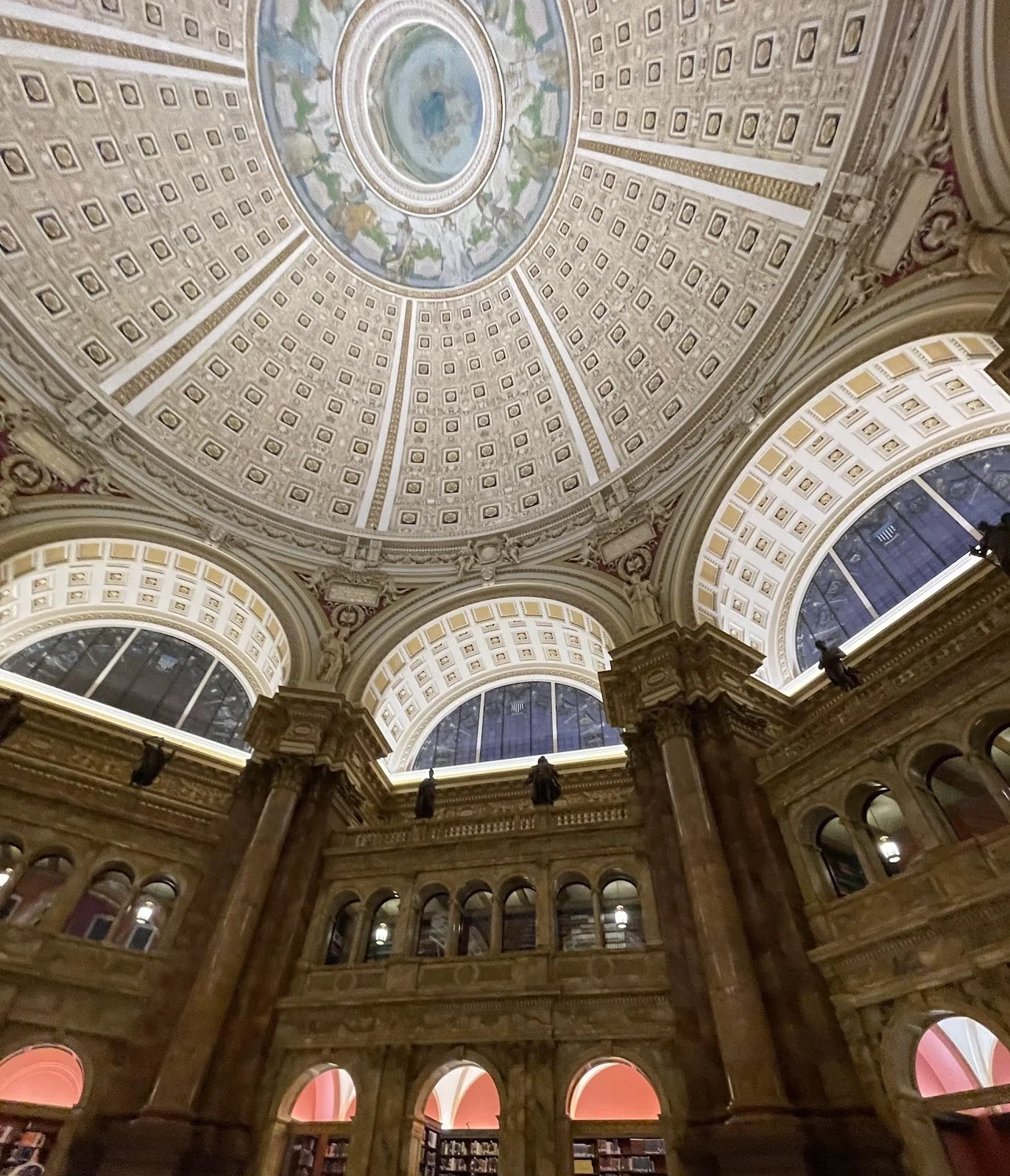
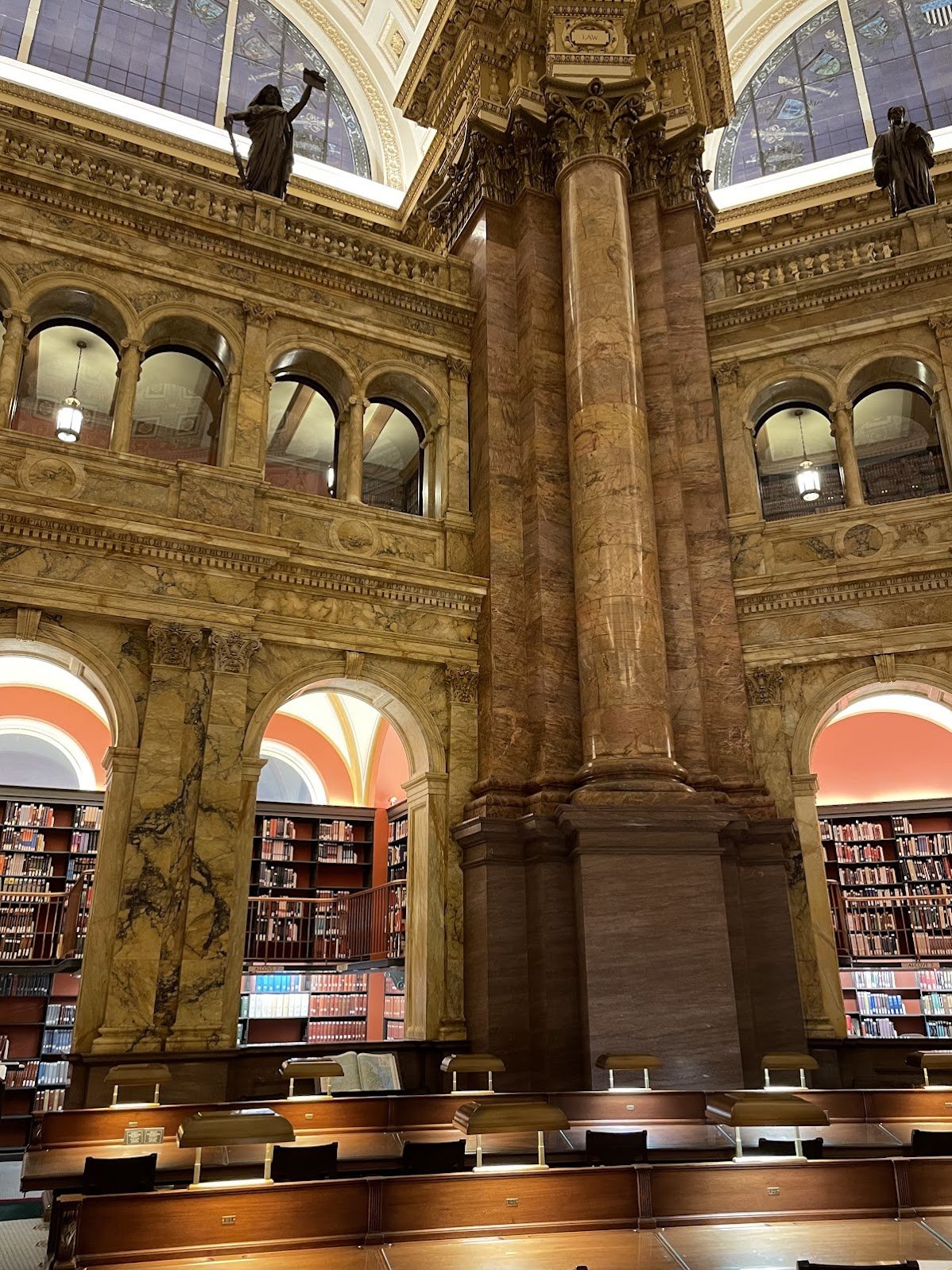
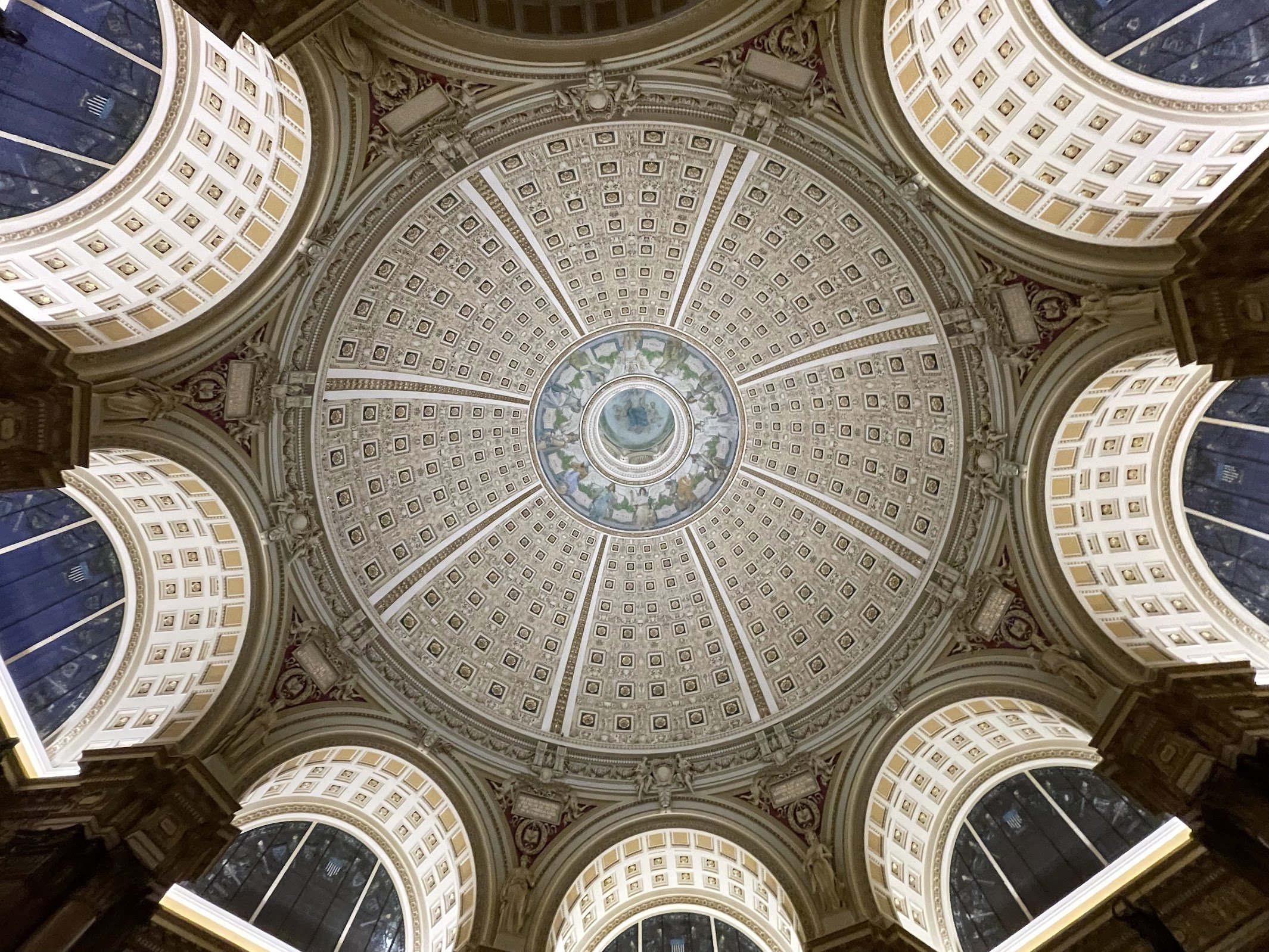
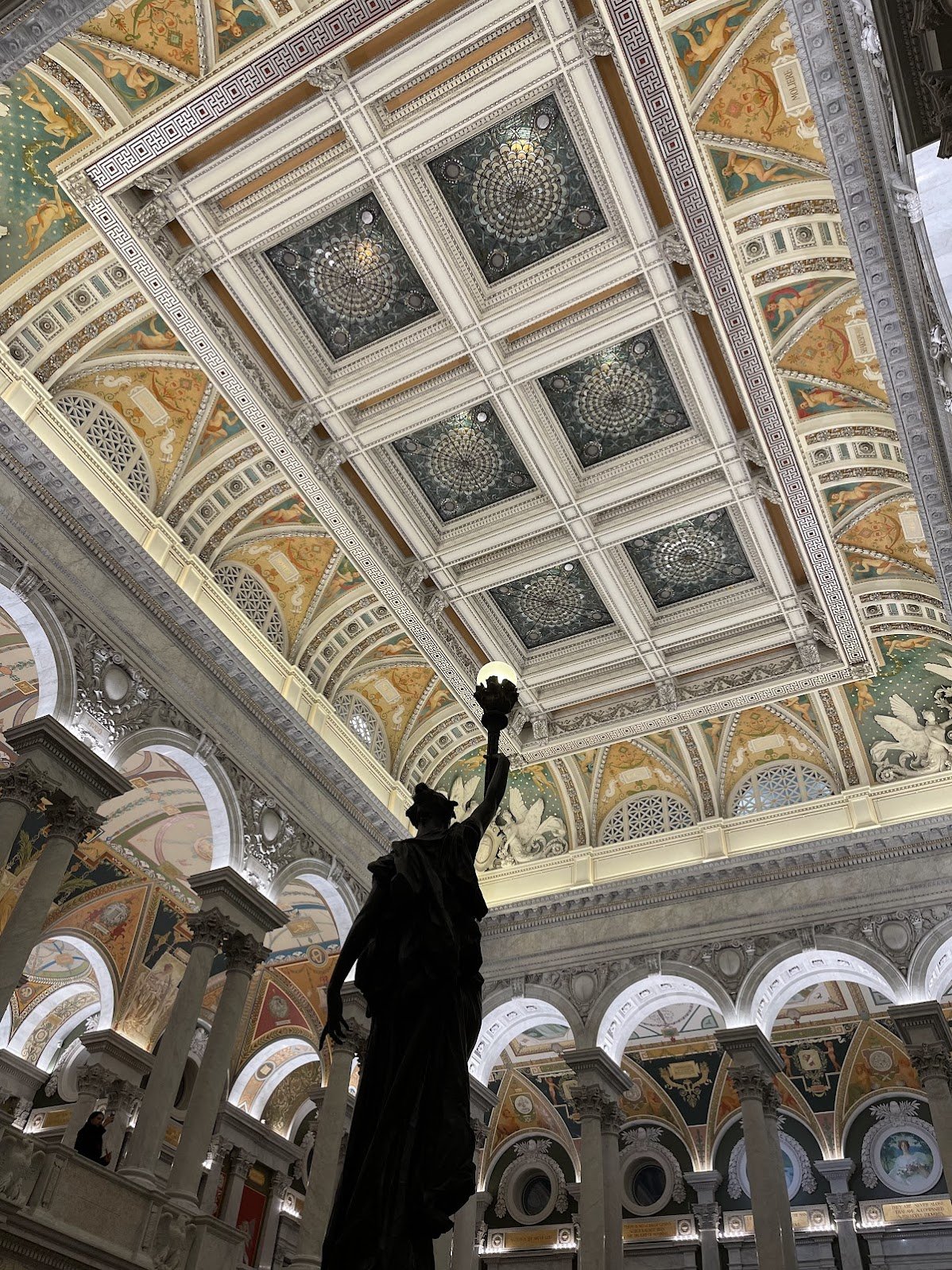
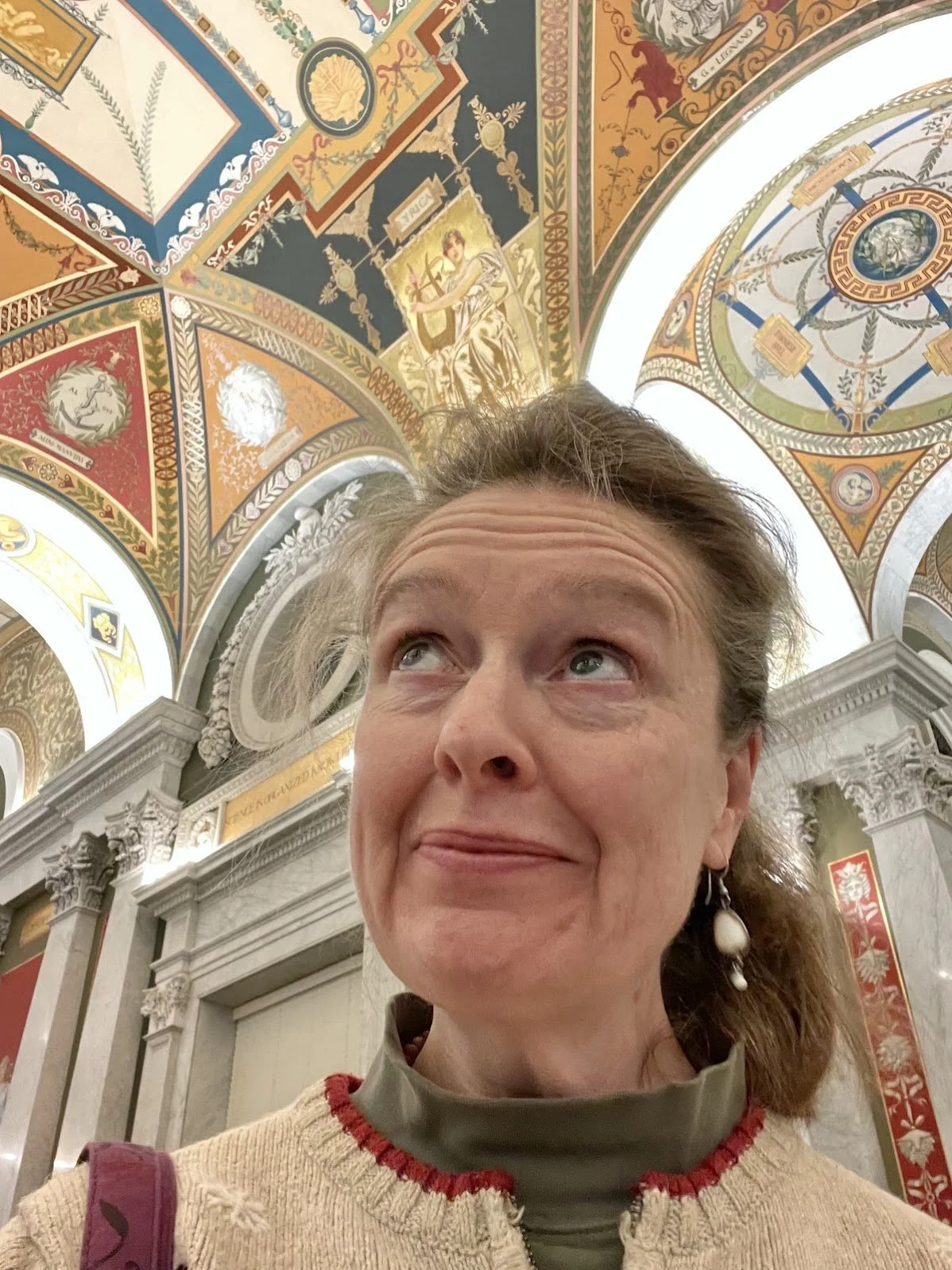
Feeling like the Country Mouse going to the Big City, I drove the 3.5 hours from our home in Afton and arrived early to make sure I could find a place to park as well as the event spaces inside the enormous Library (LOC) which I had never visited before. After clearing security and checking my coat, I began to relax and look around. What an extraordinary edifice. From the vast, intricately tiled ceilings, to the marble expanses of floors and stairways, to the vaulted dome and beautiful wooden paneling of the Reading Room, it became clear that the building itself is art. I walked around for an hour, mostly with my head tilted up, slack-jawed.

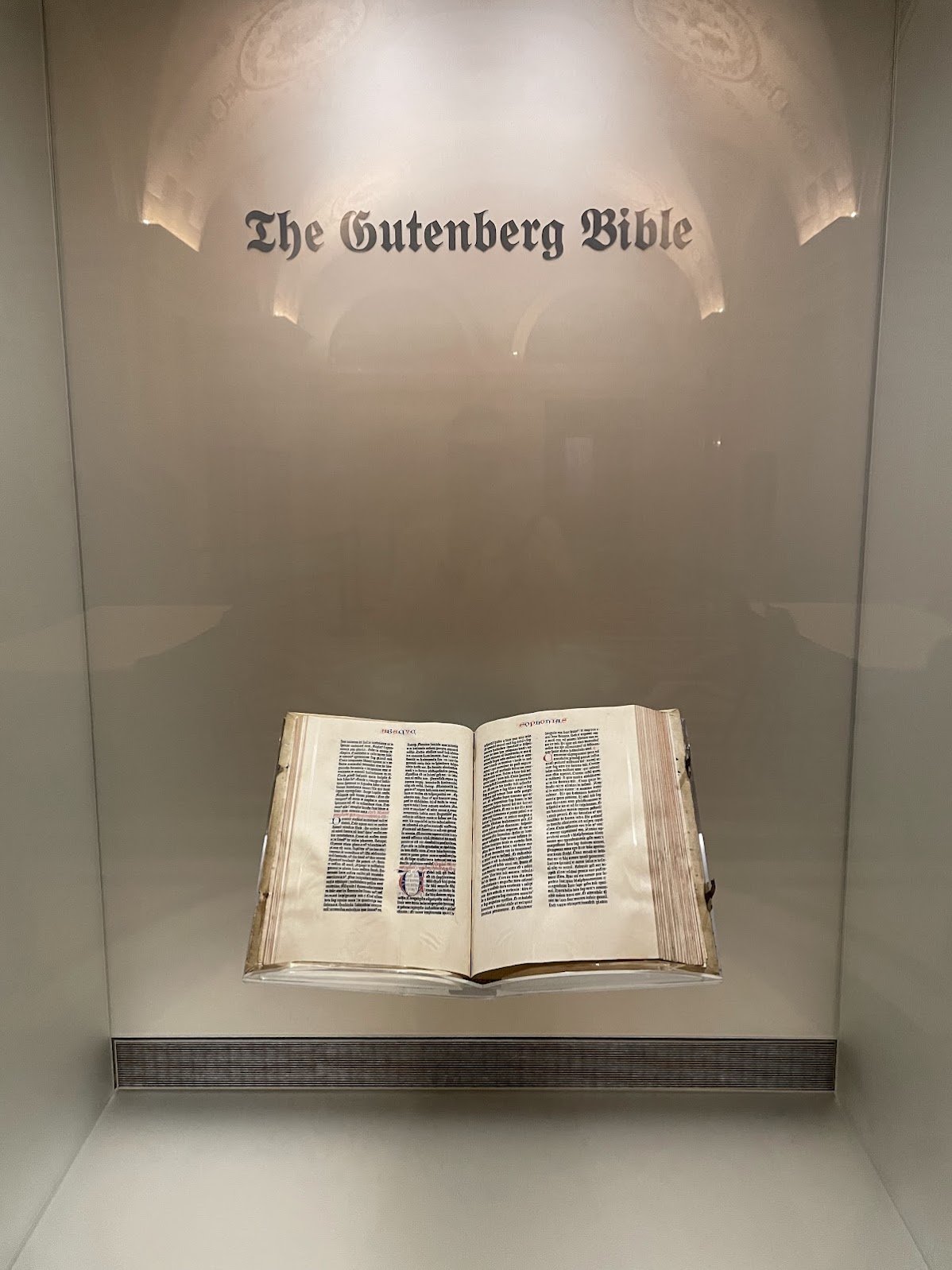
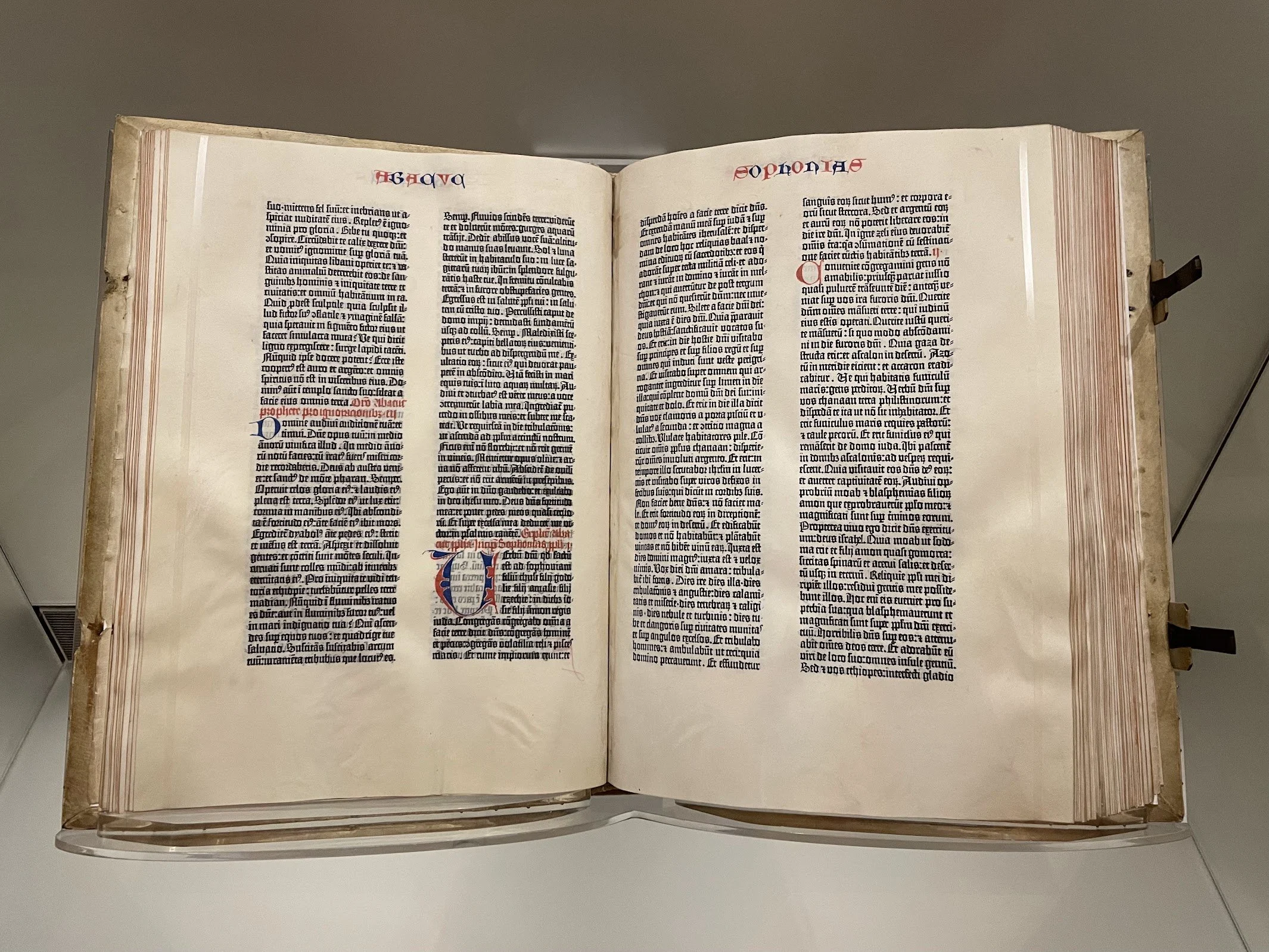
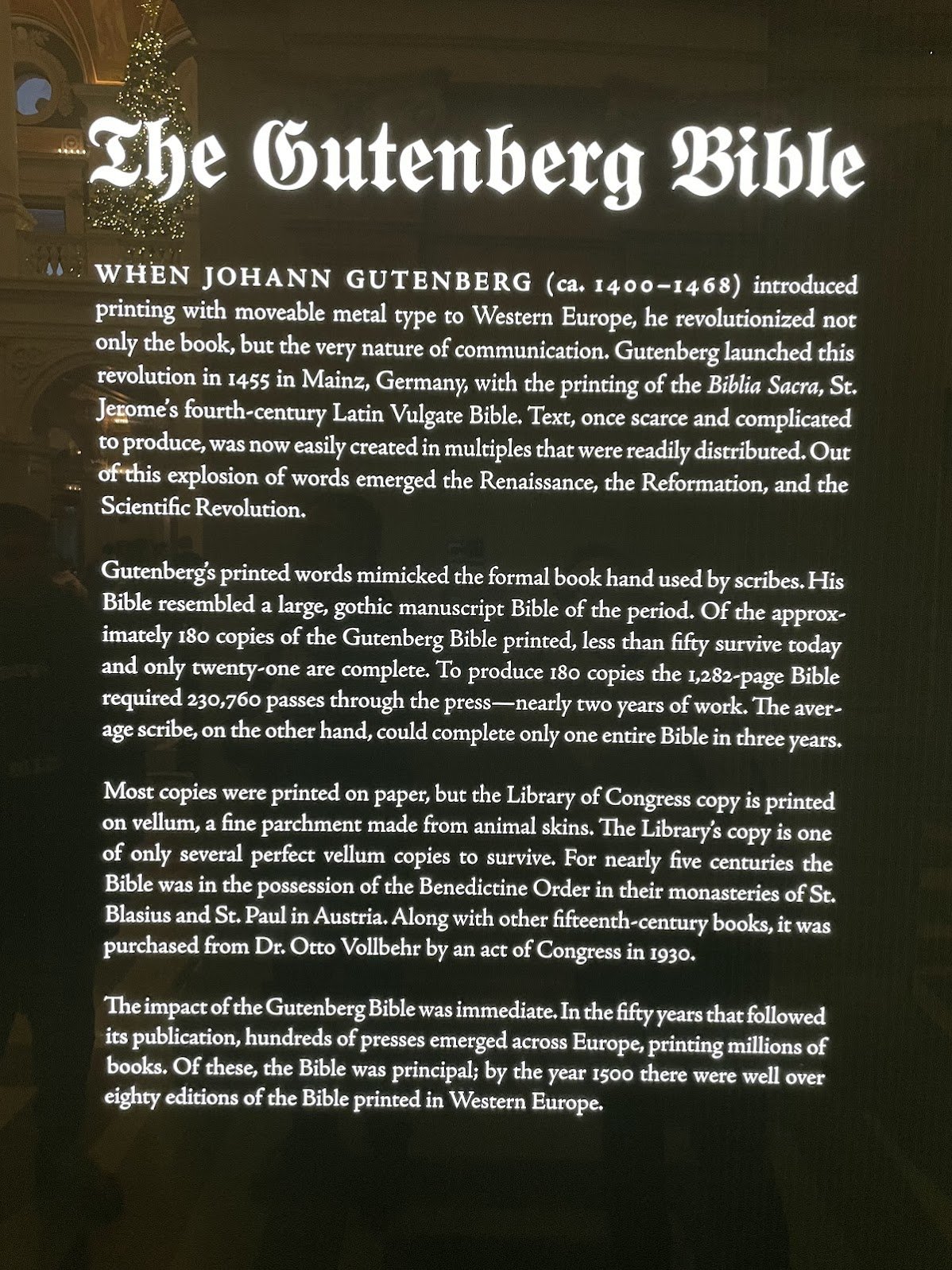
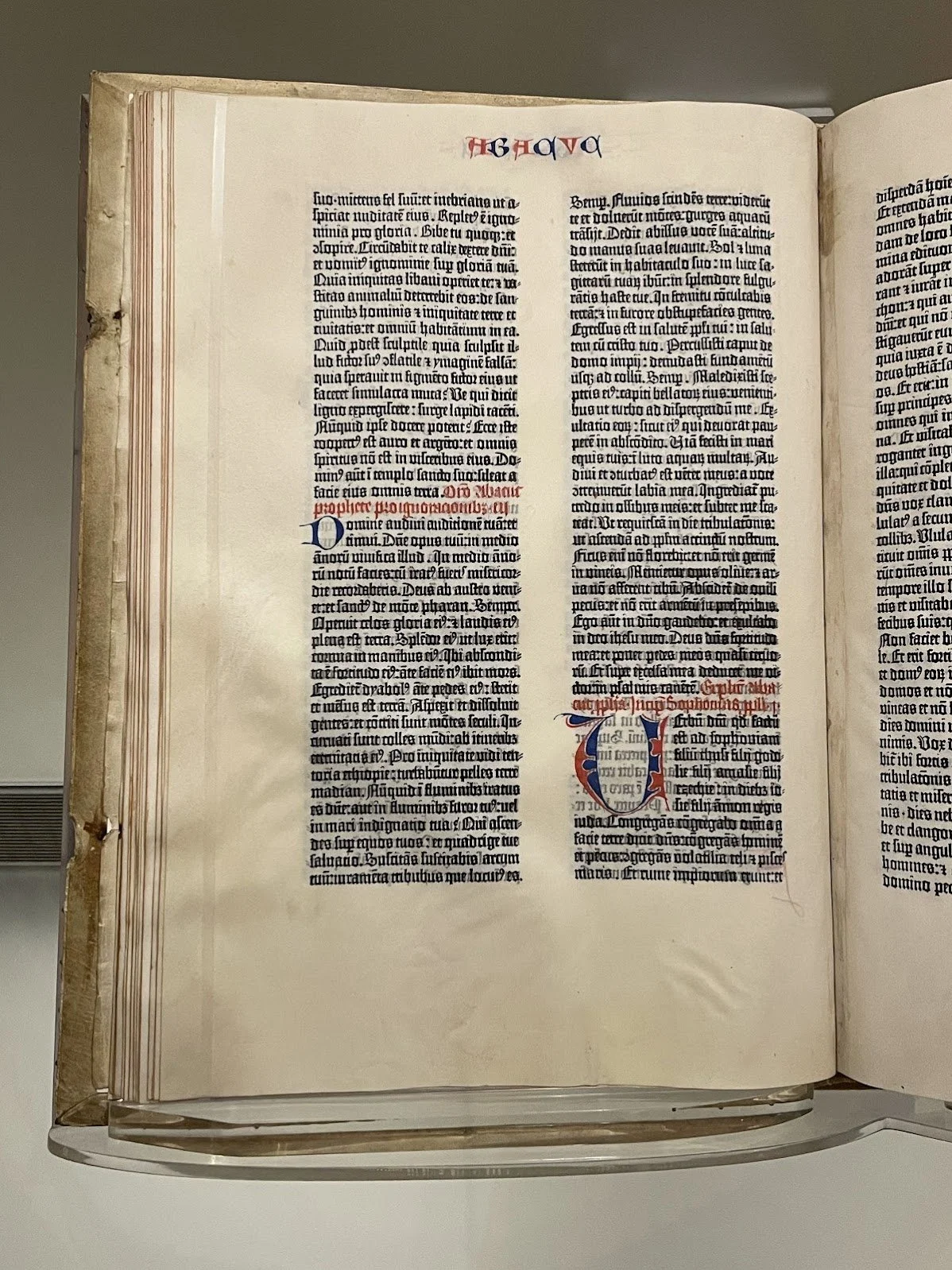
The only thing I knew about the LOC beforehand was that they housed one of the rare editions of the Gutenberg Bible, that history-changing codex from mid-1400s Europe (other places in the East had been printing with various methods for centuries). Printed on a wooden handpress with moveable metal type (faster, cheaper, and scalable, when compared to a squinting scribe bent over their candle-lit quill), the technology of this book ignited the match of mass literacy and spurred enormous cultural change. I asked an entrance greeter where to find the display and climbed the shoe-smoothed marble stairs she pointed toward.

Sometimes, a real-life encounter with something or someone famous can feel like a let-down, a far cry from the hype and mythology that clings to and even eclipses the actual. This was not the case with my encounter here. The LOC’s edition of the Gutenberg Bible is arrestingly beautiful and immaculately printed. A Library curator, who was giving an informal talk at the display, attested that each page was as near-perfect as the next. Leaning in close to the glass, I could see the superb thinness and evenness of the vellum pages, as well as the uniform dense black of the ink gently but firmly pressed into the sheet. Well over half-a-millennium old, this book has already outperformed any number of communication technologies, and is in relatively secure position to outlast many more in the next 500 years. (Let that Kindle your Fire.)

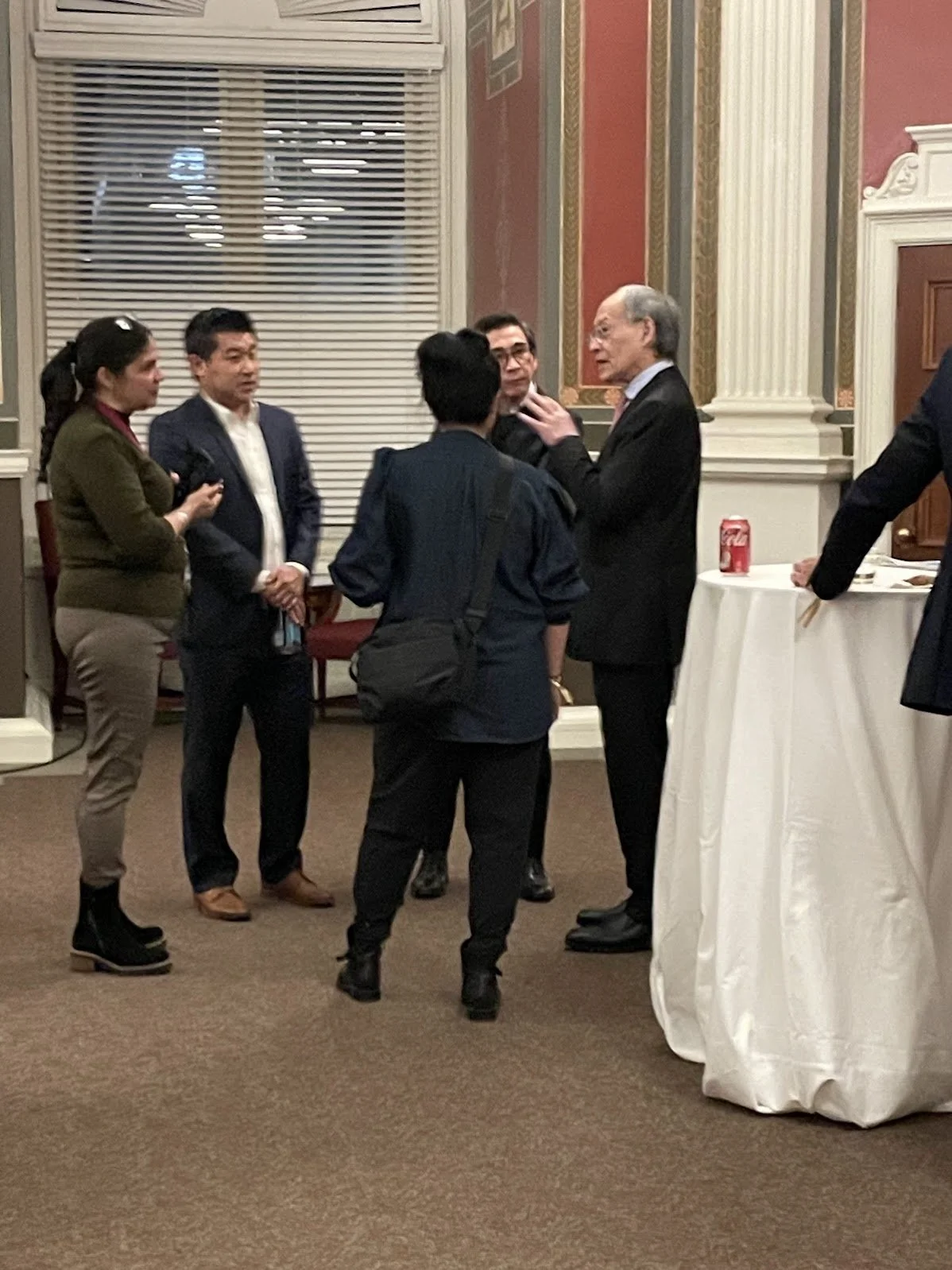
Arthur Sze (right) amid supporters at the reception.

Eventually, noting that the time was closing in on 5:30pm, I wandered to a first floor room for the opening phase of Arthur’s evening — a reception attended by his publisher and friends from Copper Canyon Press, other publishers and supporters from across the country, as well as his spouse (the poet Carol Moldaw) and their daughter. The energy in the room was one of warmth and delight, as person after person congratulated the poet and thanked the Library staff. Arthur himself seemed graciously comfortable with both the attention and his own natural reservedness. For him, being in the spotlight means putting the power of poetry front and center; it means seizing the opportunity to connect cultural and linguistic worlds. Watching and supporting Arthur at his gentle, unassuming, dynamic work (whether around a supper table or on a global stage) was and is a life’s honor and pleasure.

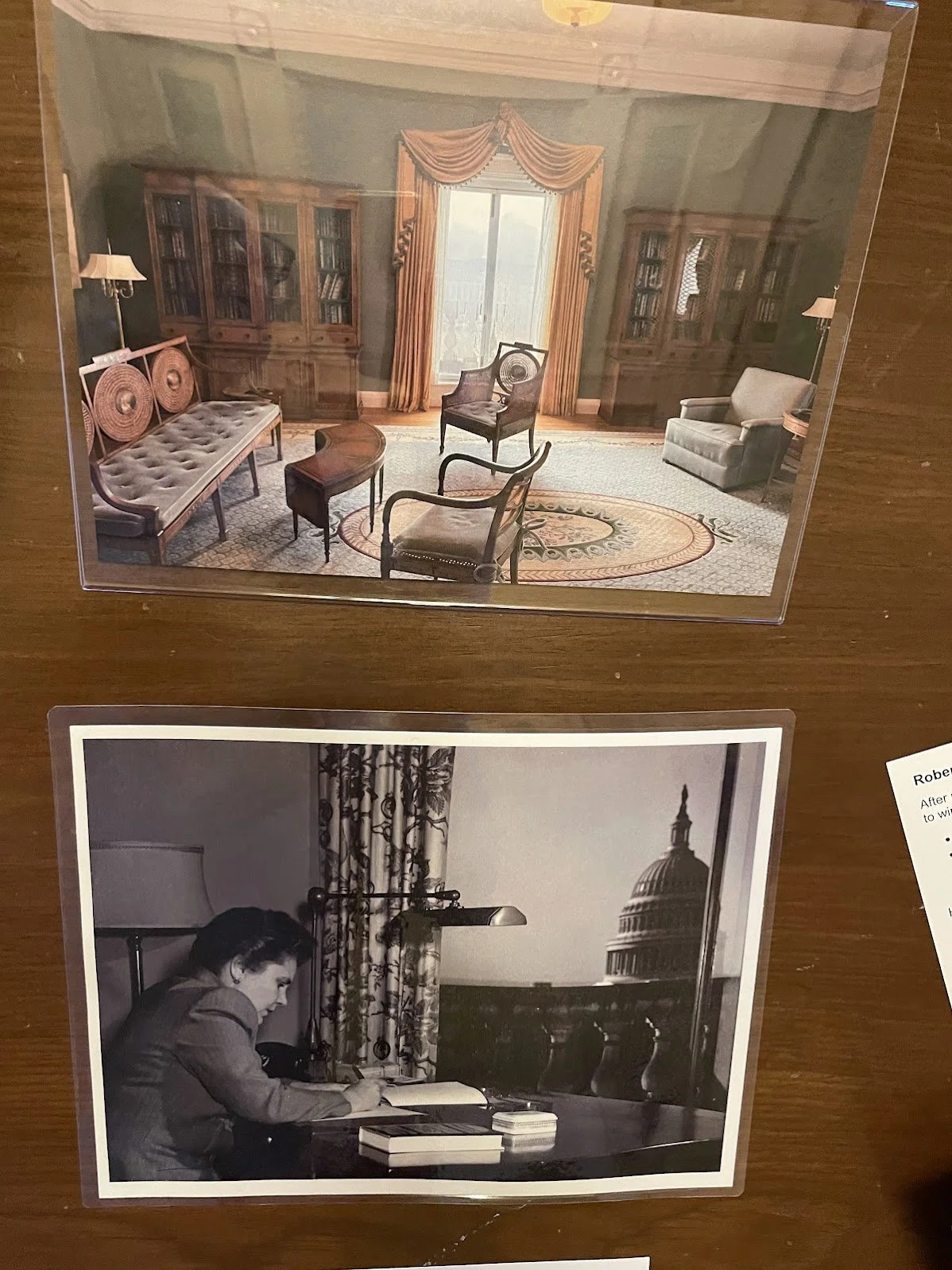
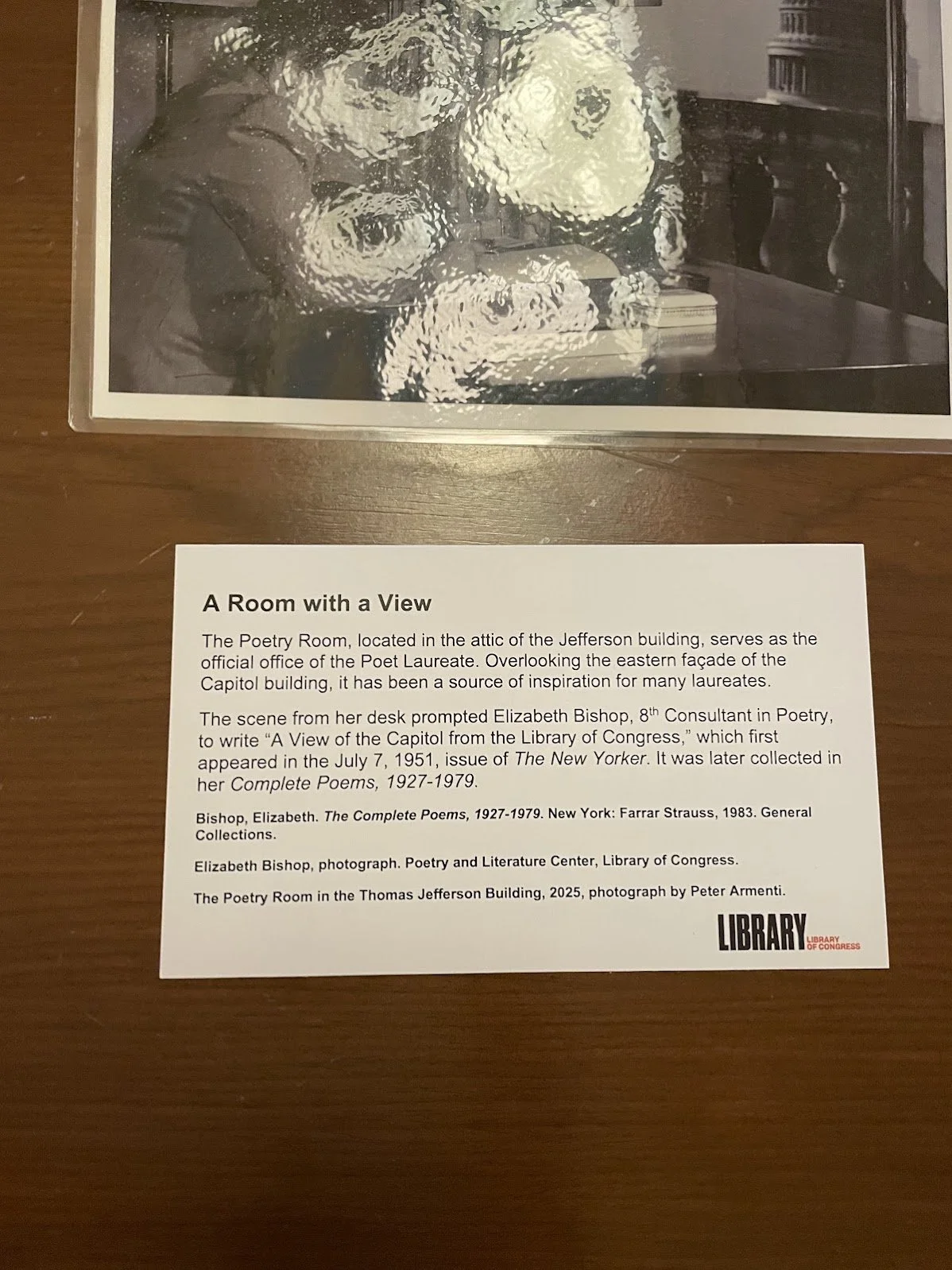
The original office and desk of U.S. Consultants in Poetry was in the attic of the LOC.

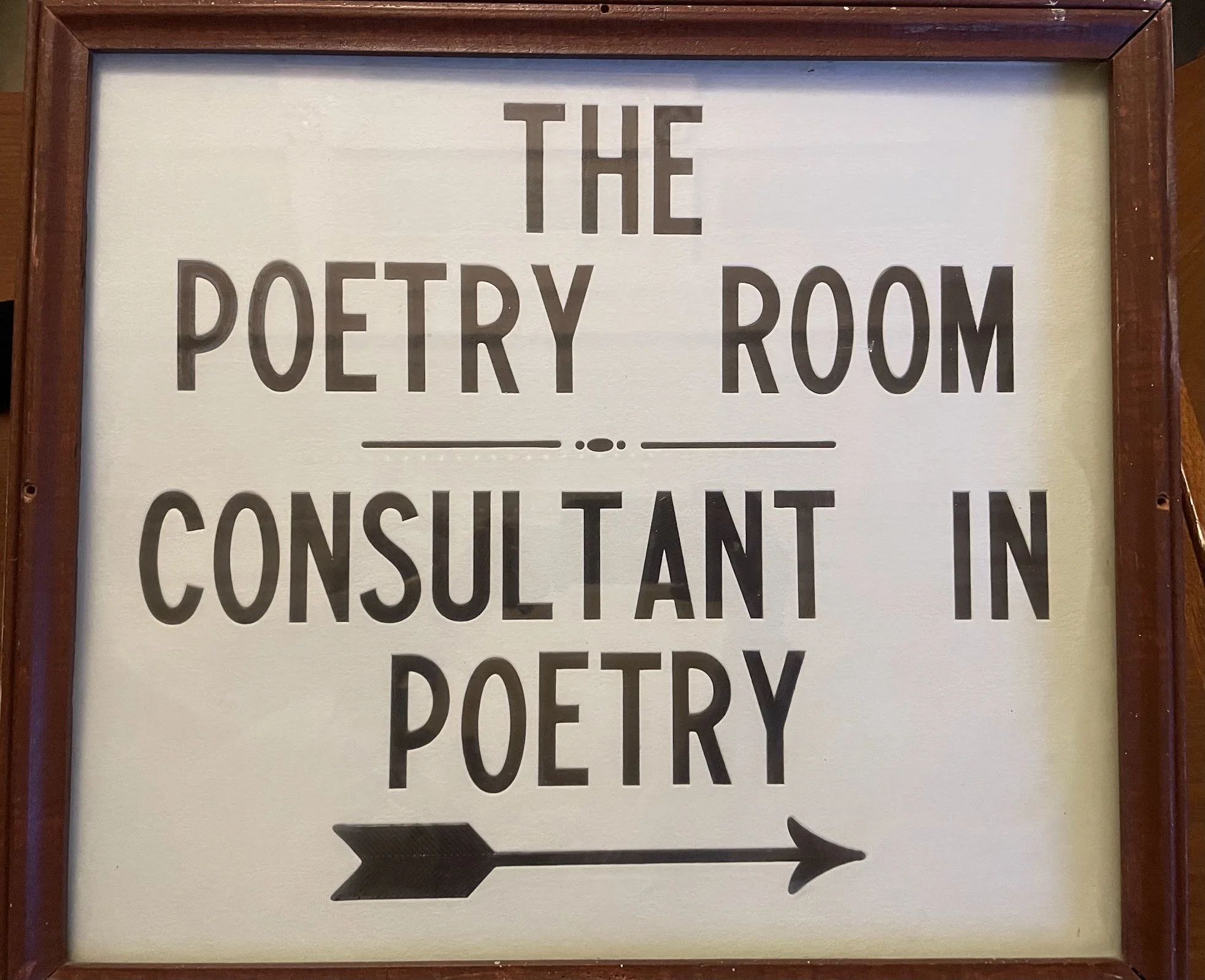
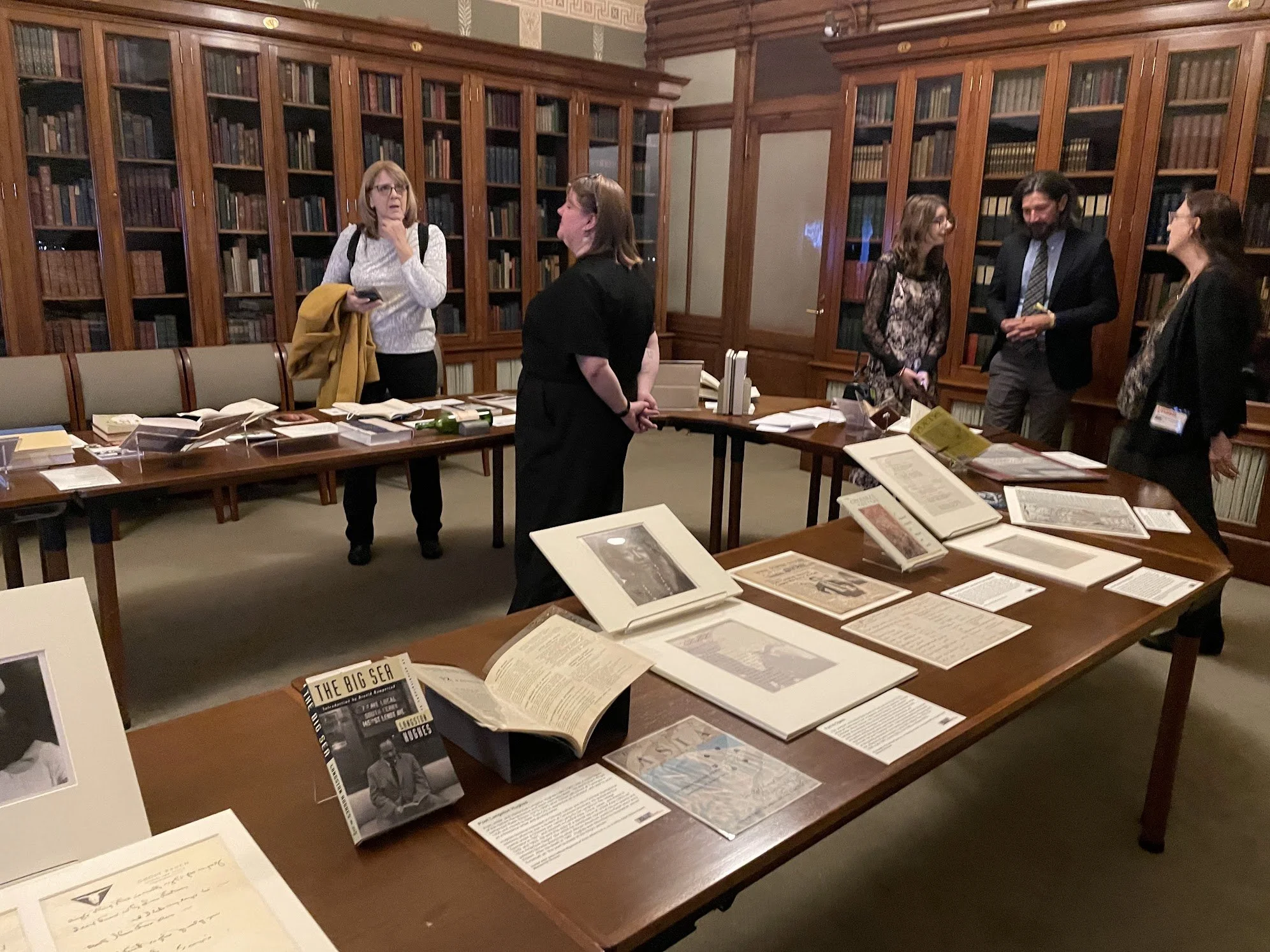
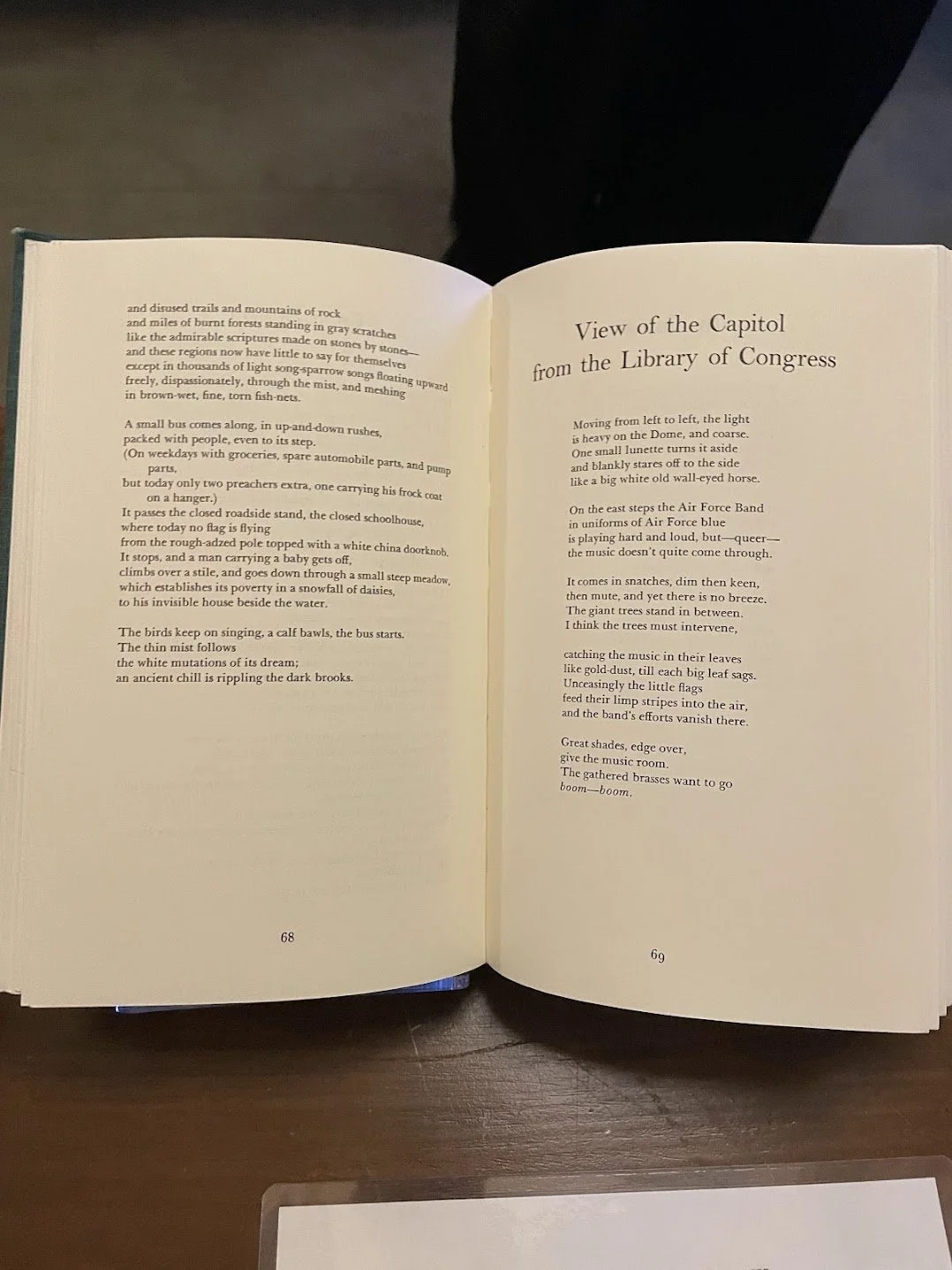
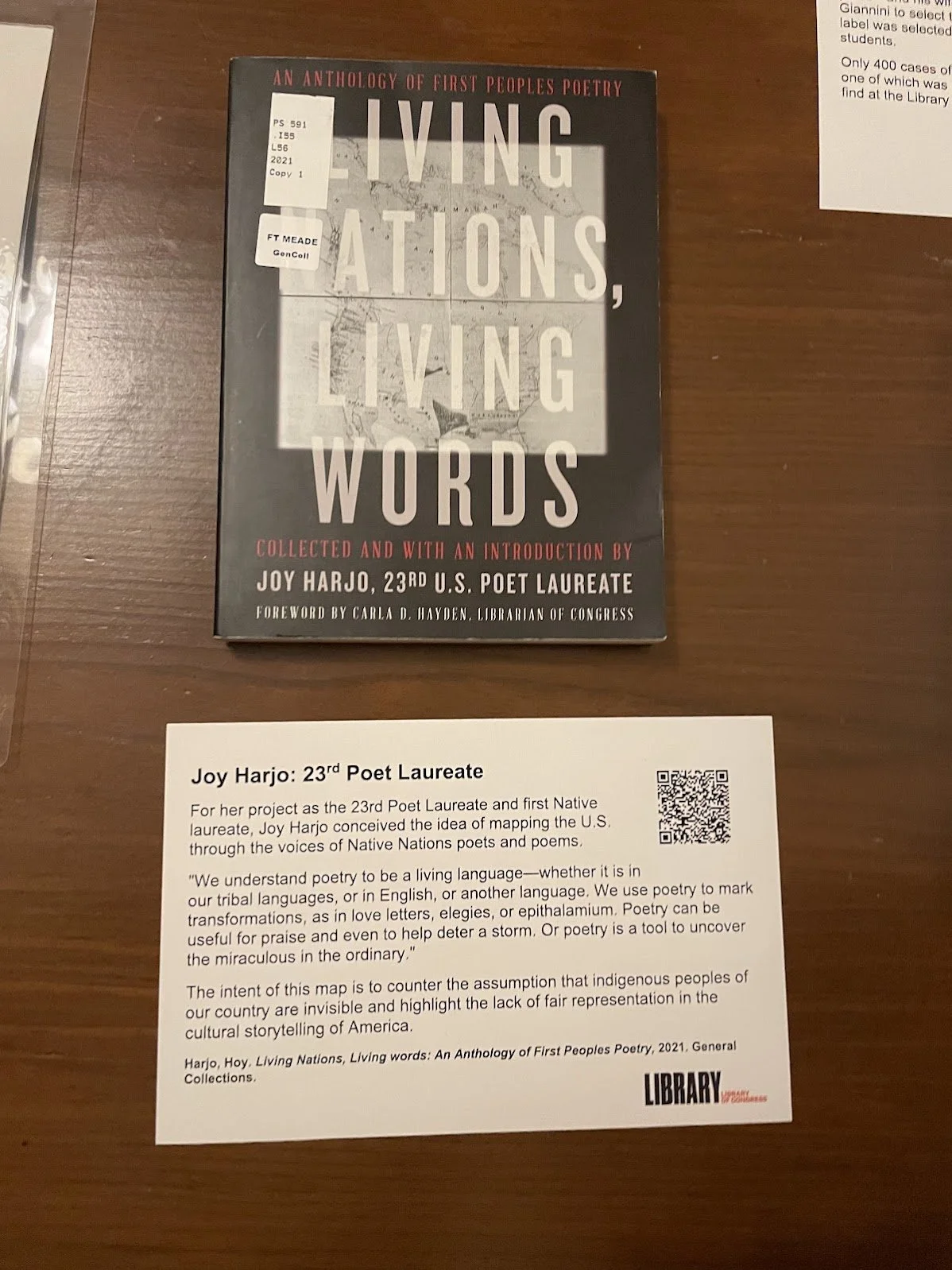
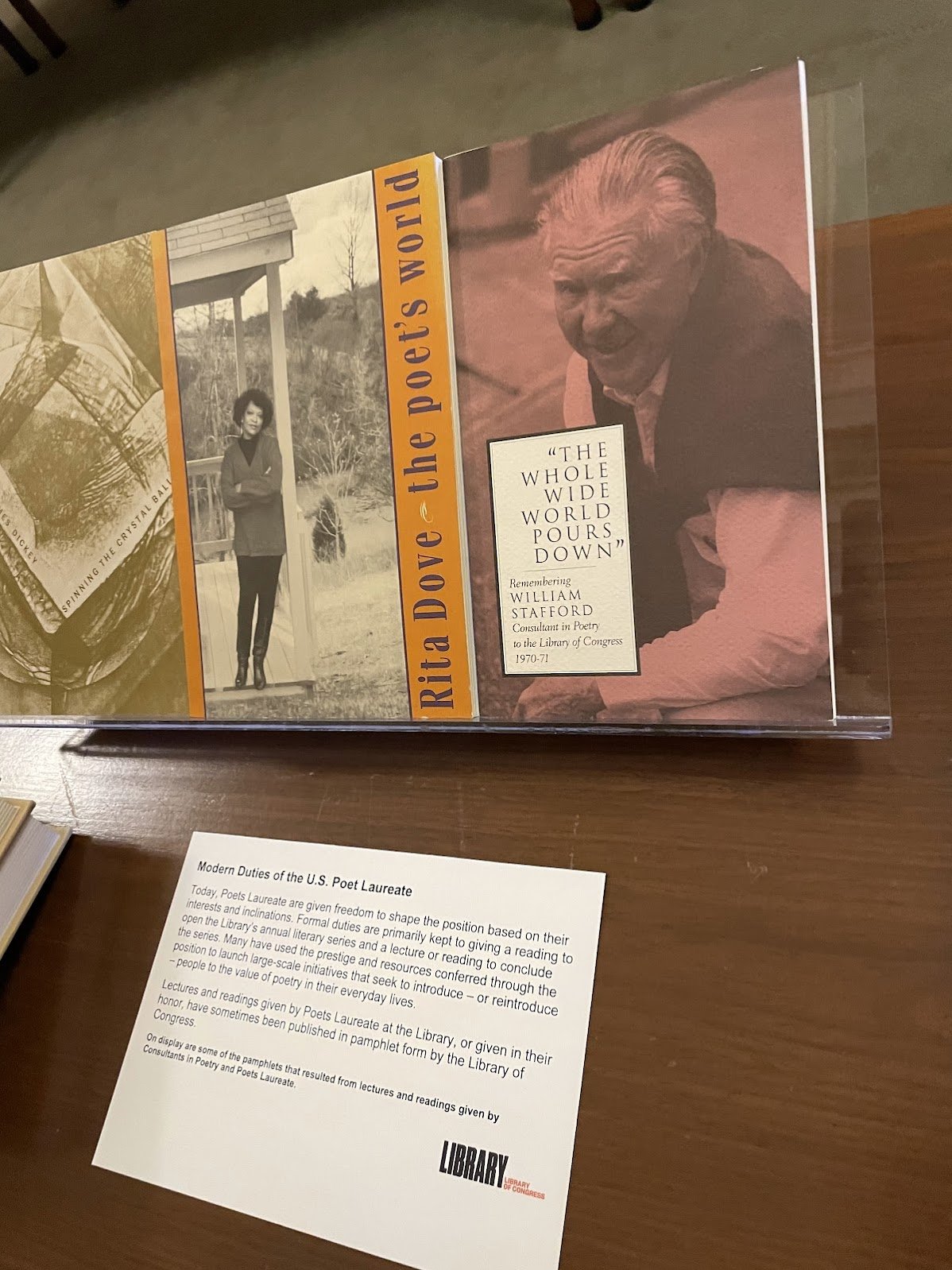
One unexpected delight and inspiration was discovering a fabulous display in the reception’s adjoining room — three LOC curators had laid out dozens of books, photos, and other memorabilia from decades of previous Poets-Laureate. What a trove! I learned that, back when the Laureate was called the Consultant in Poetry (until 1985), they actually had a dedicated office-space here — in the attic. Fortunately, it has a great view of the Capitol Building, and a generous desk at which to tend the tasks of the role.

Display of LOC materials related to the history of U.S. Consultants in Poetry / Poets-Laureate.

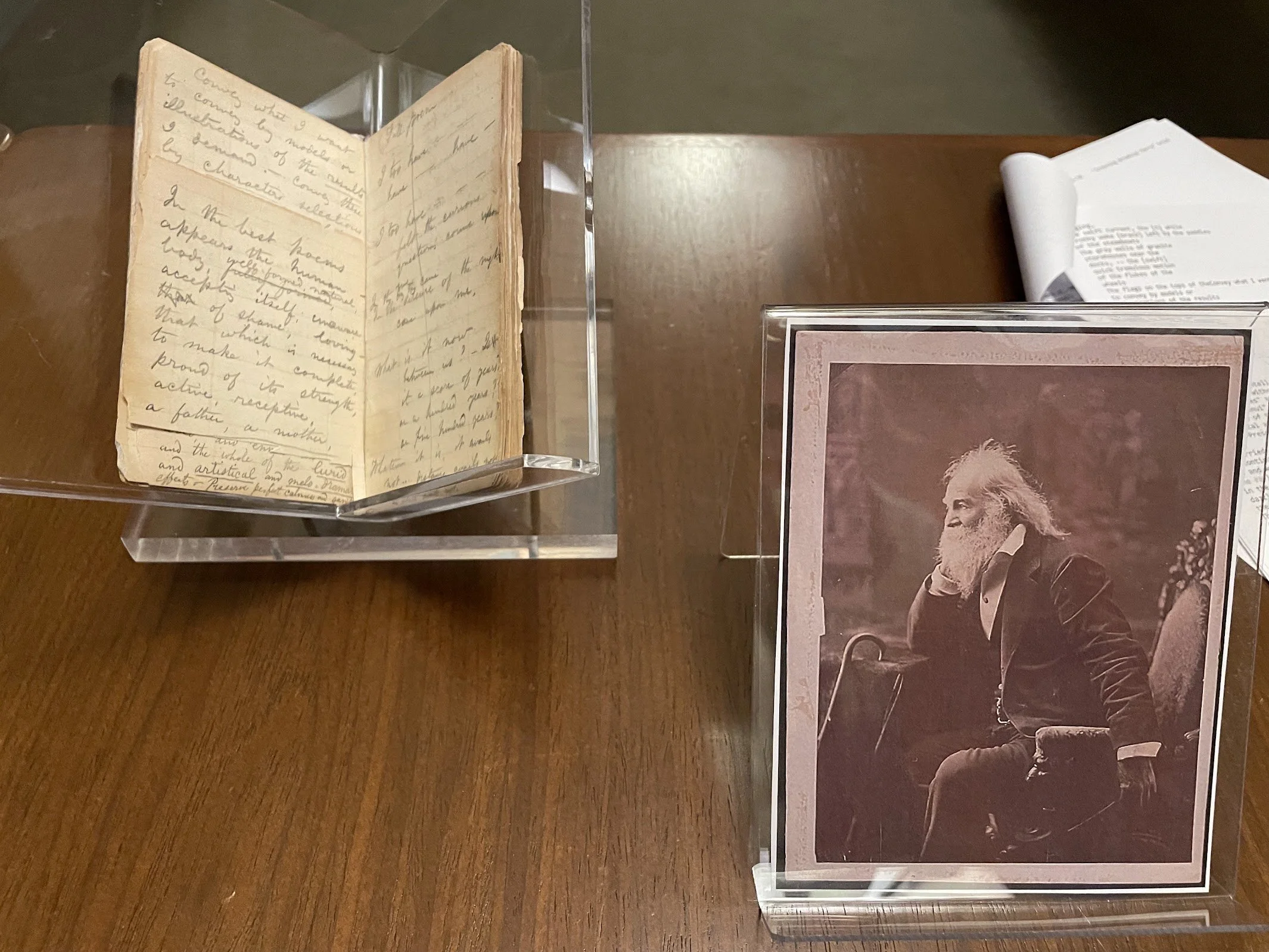
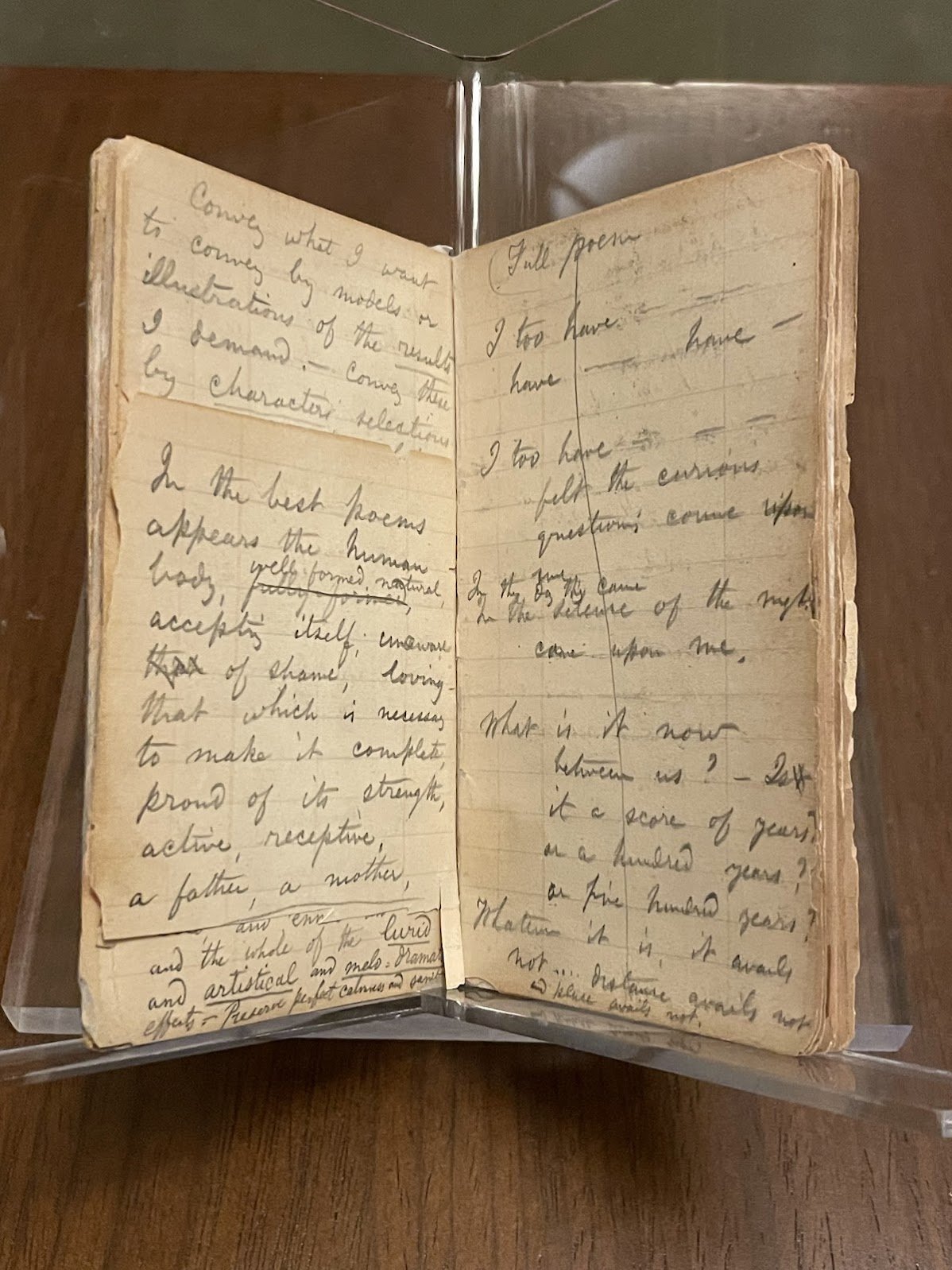
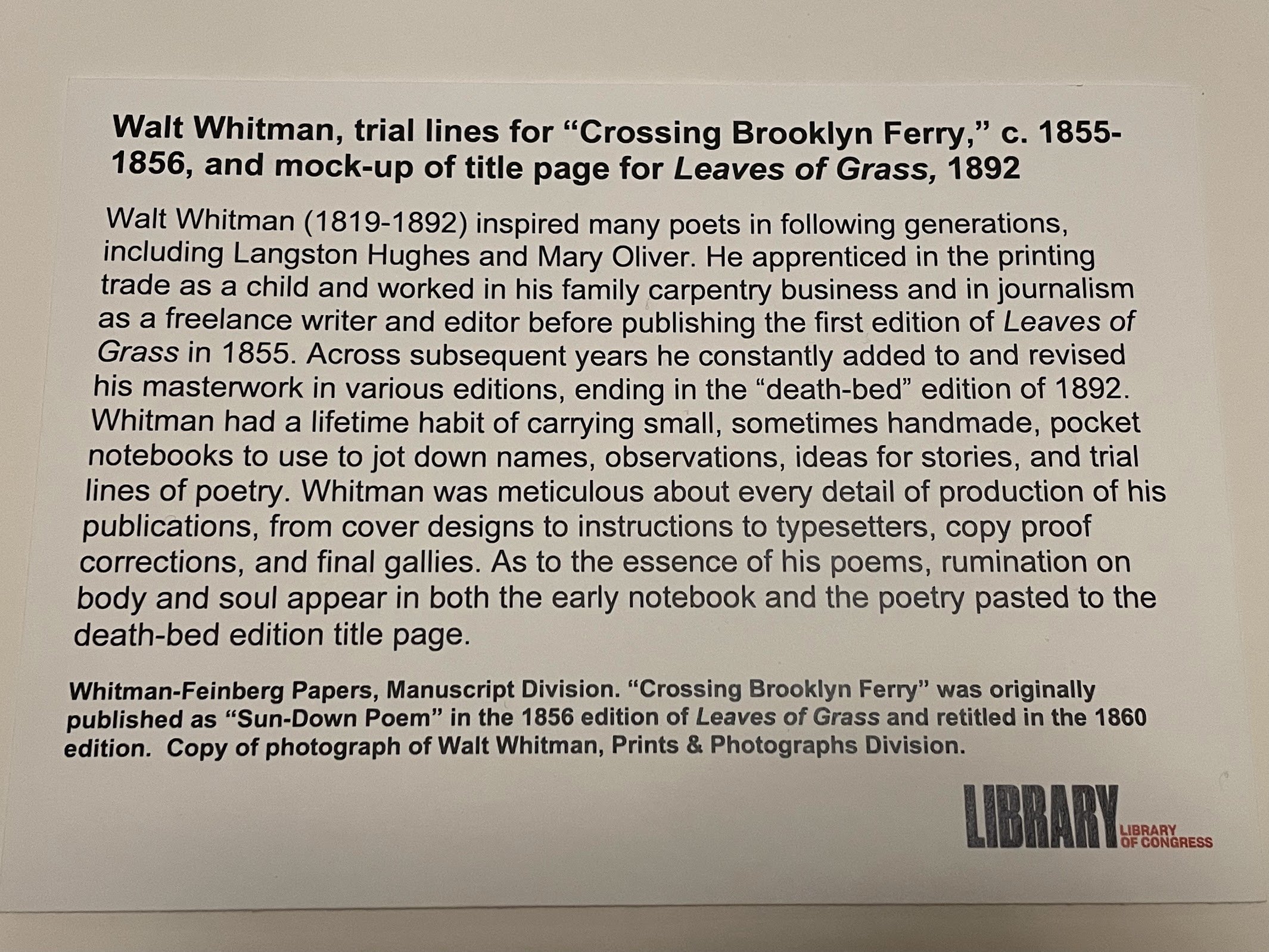
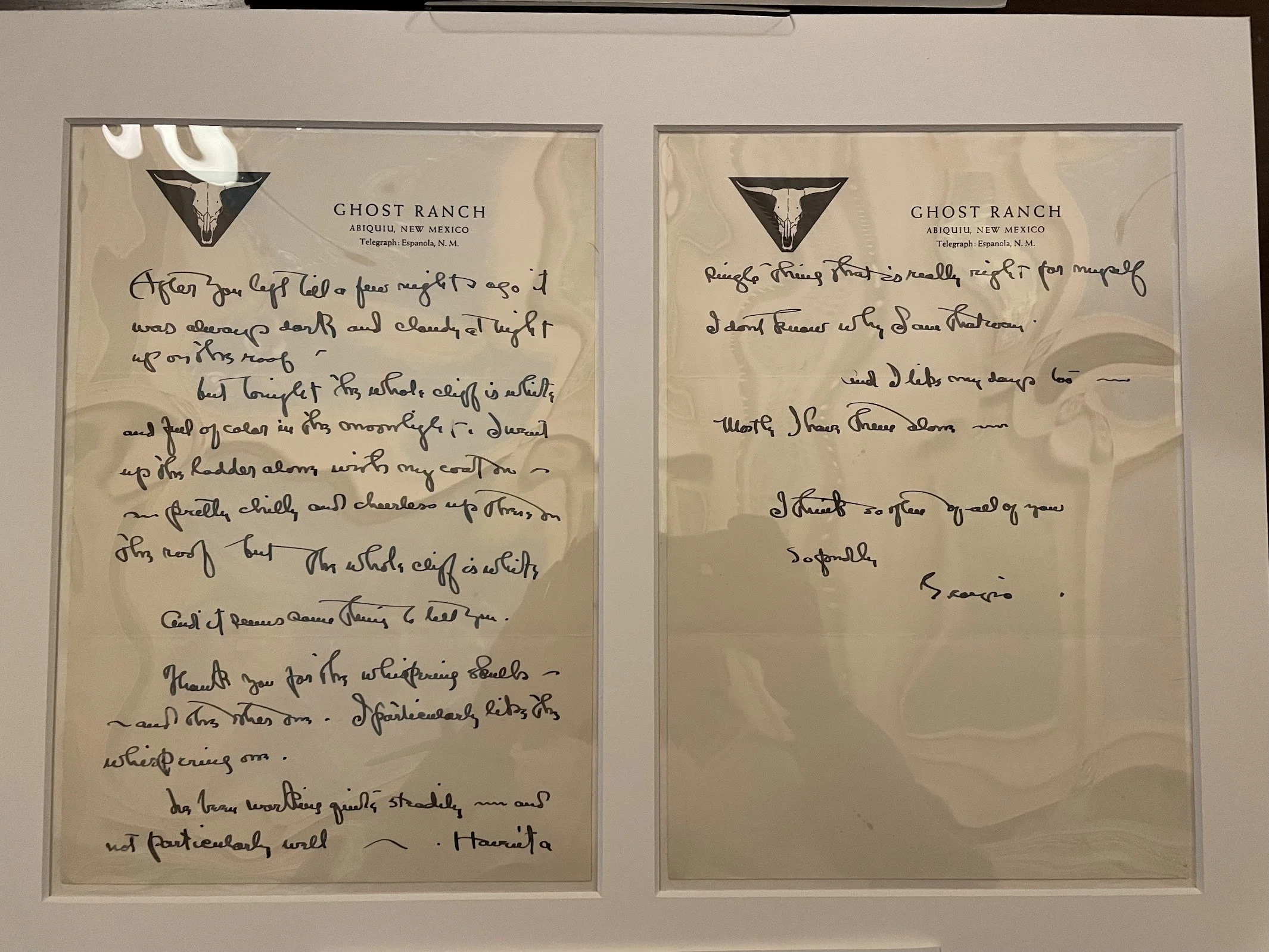
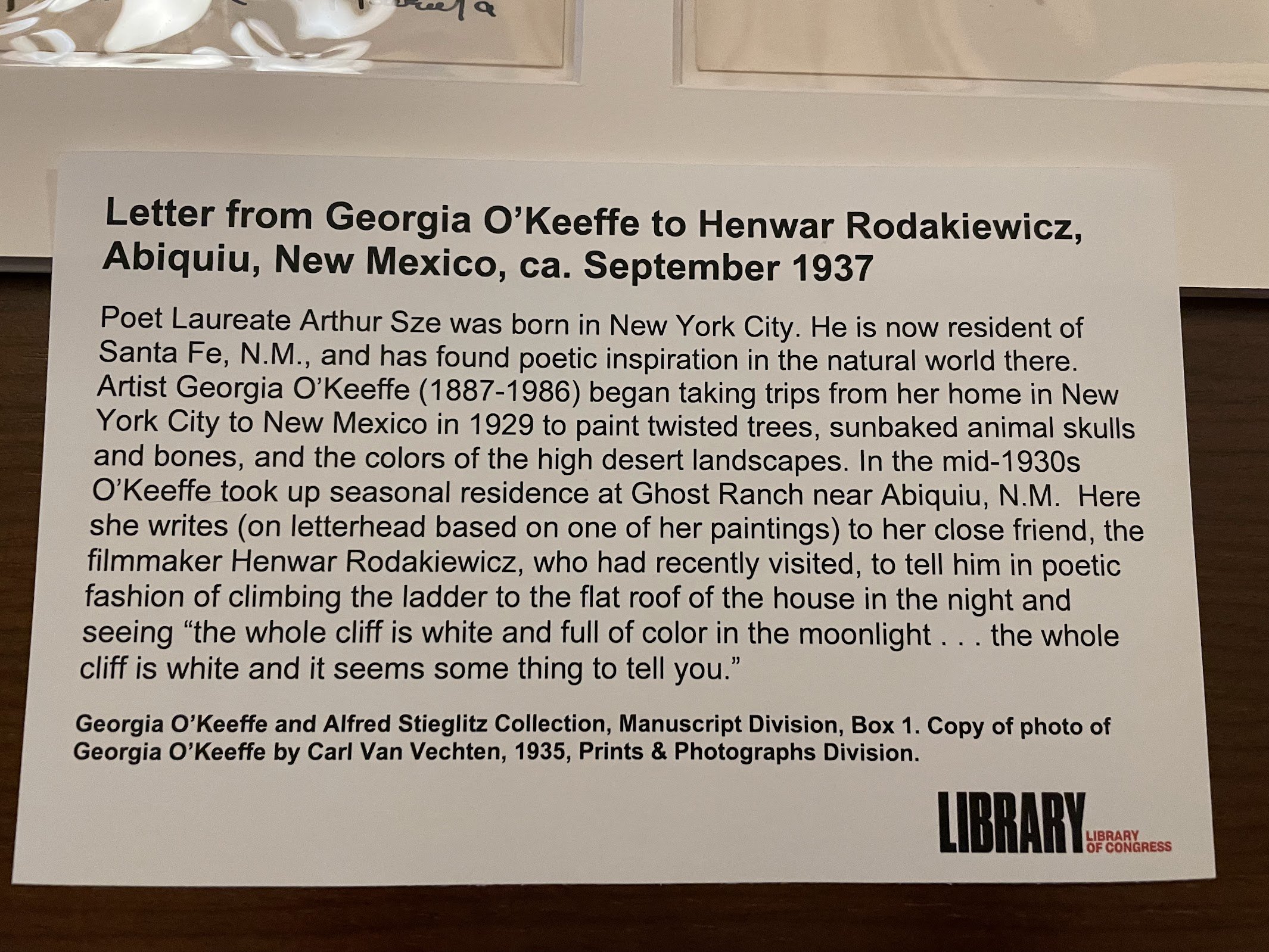
Another highlight on display was a personal notebook of Walt Whitman. Yeah, his own little journal, vigorously scribbled in with pencil and edge-worn from his pocket and hands. It was stunning to stand before it, to lean in close, to see his script and “hear” his words. There were also manuscript drafts by Mary Oliver, a letter from Georgia O’Keeffe (who, like Arthur, was connected both with New York City and Santa Fe), and many, many volumes of poetry to peruse. The curators were standing by to answer questions about luminaries from Robert Frost to Elizabeth Bishop to Rita Dove, and to add more stories to this hands-on experience from the LOC archives.

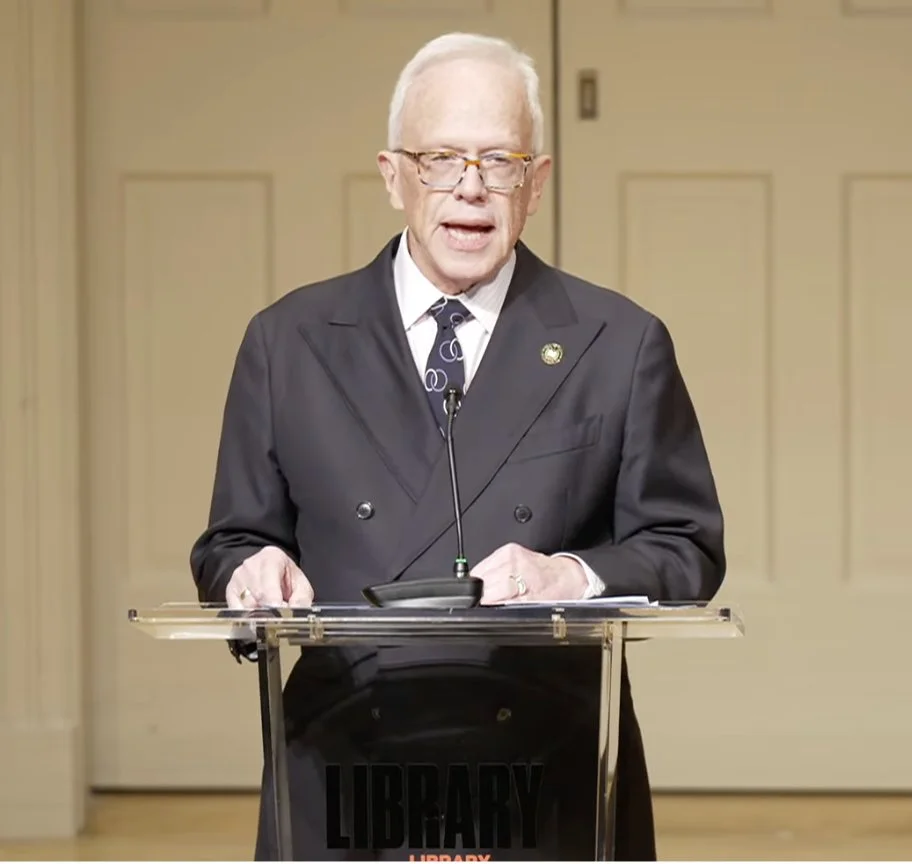
Acting Librarian of Congress Robert Newlen.

As the clock neared 7pm, I tore myself away from the Poets-Laureate exhibit to find the auditorium — it was time for Arthur’s inaugural reading. The place was packed, and humming with anticipation (for poetry!). Robert Newlen, the Acting Librarian of Congress, opened the program with welcoming remarks, an overview of how the laureate is chosen, and a brief, quietly insightful introduction to Sze’s work.

“Arthur, may your words as our Poet Laureate deliver us tolerance, connection, and understanding. May they help our nation slow down in a wold that rushes past itself.”
~ Congresswoman Teresa Lager Fernández

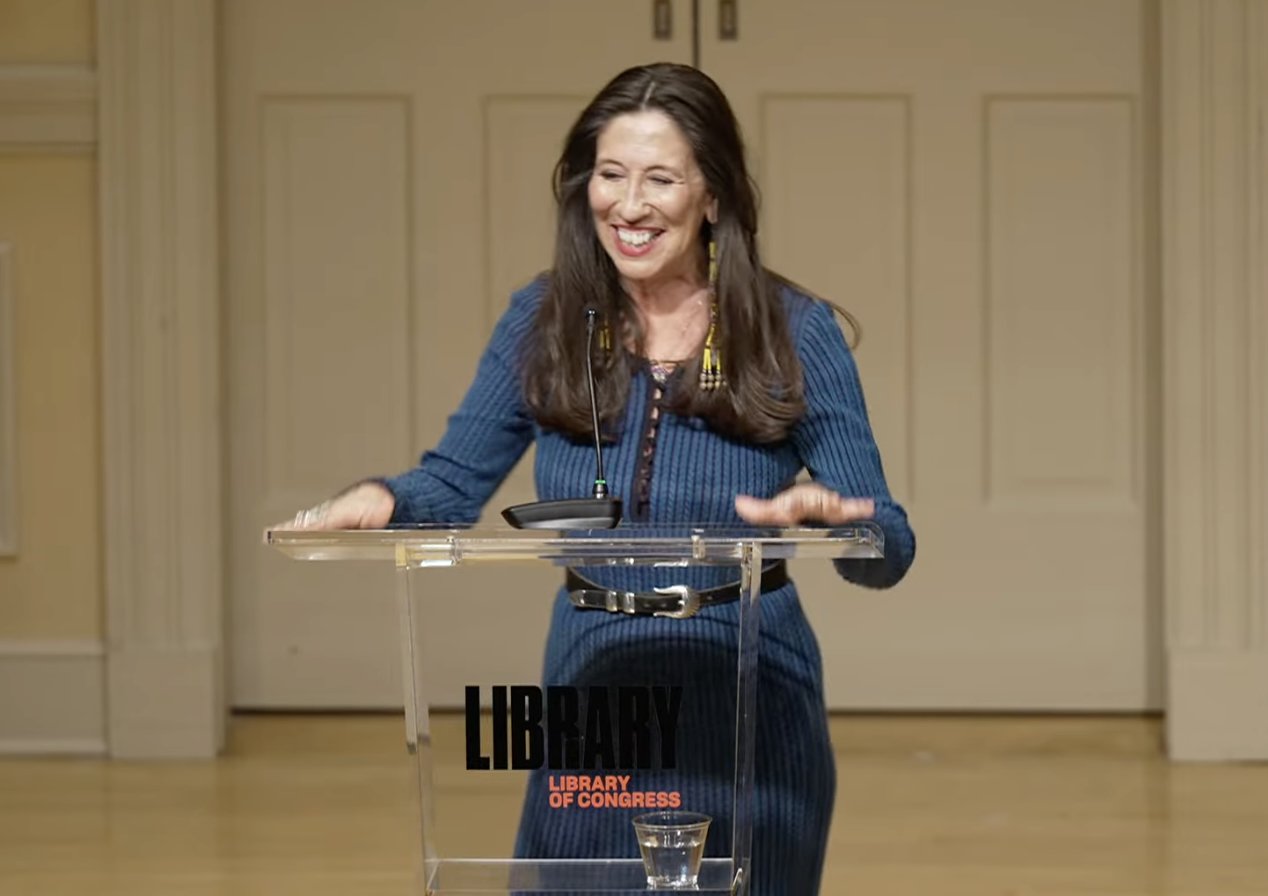
Newlen then handed the stage to a person who was not listed on the program and who was a surprise to me — U.S. Representative Teresa Leger Fernández. What a powerhouse! With eloquence, heart-centered sincerity, and her own poetic prose, Fernández evoked the New Mexican landscapes and peoples that she and Arthur both, in their respective ways, represented. And she primed the already-eager crowd to receive and be catalyzed by Arthur’s presence and poetry. We were, in effect, tuned — made ready to resonate — with the chords one man would sound.

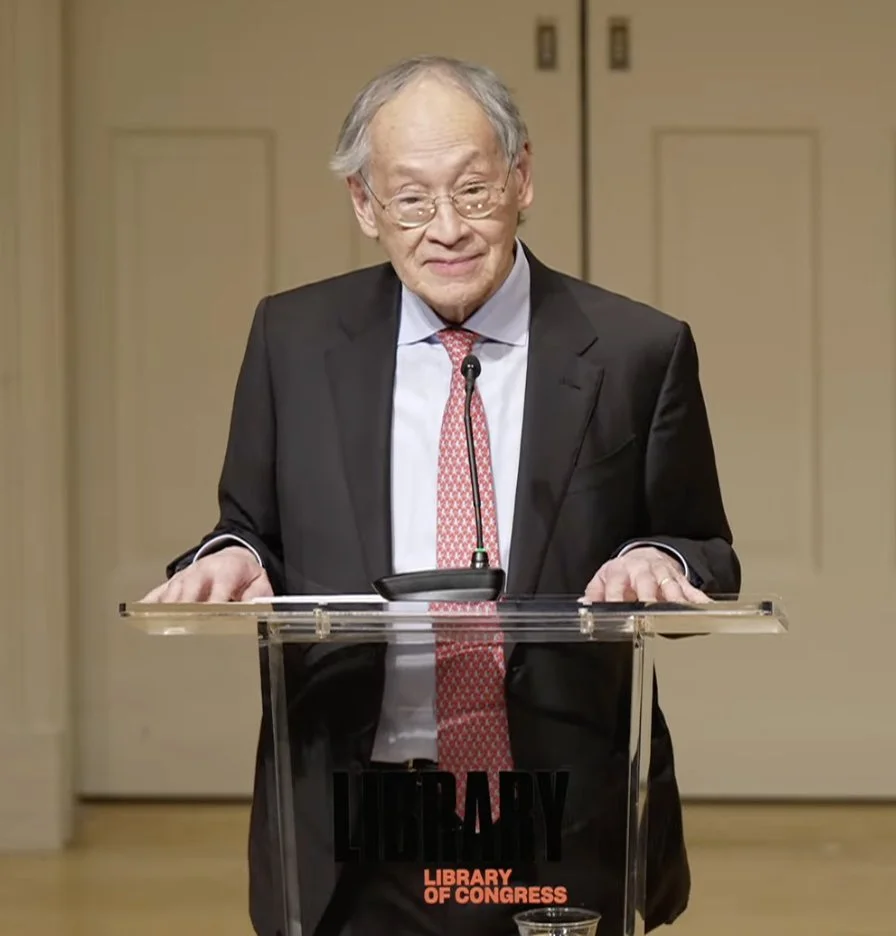
After much applause for the Congresswoman and Newlen, Sze himself walked into the warm glow of the stage’s lighting. He began with requisite notes of gratitude, and then introduced his evening’s work: “I’ve assembled poems written over a span of 47 years this evening, and I’ve organized the poems not in a chronological but in a thematic conversation. I’ll just start.” And with that briefest of prefaces, the new laureate began to unspool 45 minutes of finely woven language, intricate and strong. The audience received the threads attentively and appreciatively, and, in the end, we realized that we had been woven into it all, too.

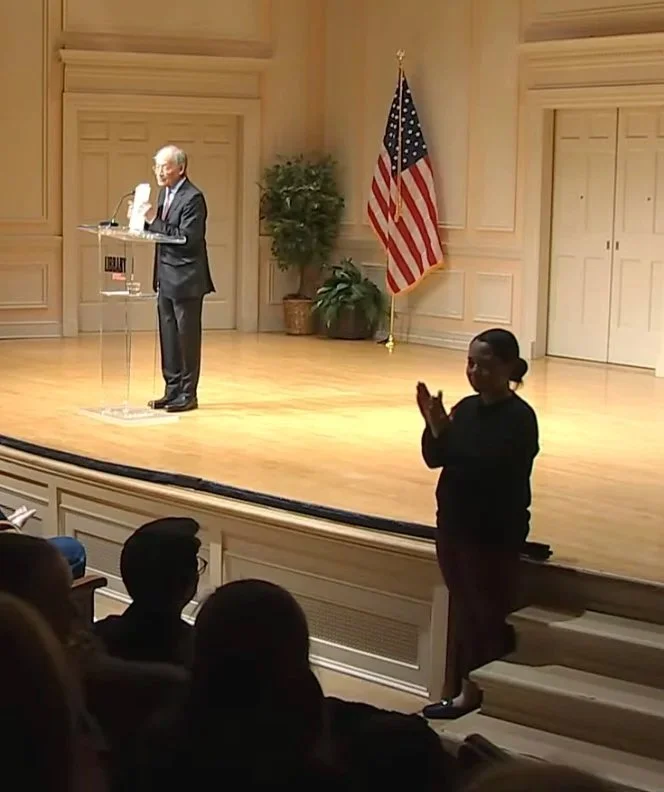
(Part of this sense of “being woven” I attribute to the work of the American Sign Language interpreters who translated each poem into lyrical gestures. Over and over, at the side of the stage, they took turns embodying the beauty of Arthur’s poetry. Photo: In the foreground, a sign language interpreter renders Arthur Sze’s words at the Library of Congress, 12/11/25.)

Prismatically, the deeper Arthur looked — and we with him — at a leaf, an anvil, or a flake of salt, the more expansively he and we could see into the realities of planetary existence, of human emotions, of time’s ravages and revelations. In his soft, deliberate voice, Arthur amplified not himself but that essential component of culture — language (whether spoken, written, gestured, or printed) and language’s freight, human experience.

Arthur Sze at the Library of Congress, 12/11/25.

“I need to say that the Library of Congress is not just a national treasure, it’s a world treasure,” said Arthur. And, as Congresswoman Fernández noted, it is “our Library.” This was all palpable to me, a first-time visitor, from the moment I began to take in the building’s architecture, to the glimpses I got of its vast archives, to the percussive joy resounding through the auditorium after Arthur read his last poem. It is my hope that you, too, may feel some of this cultural kinship: far from being a dusty crypt, the LOC is a living reservoir of past, present, and future; a record and an expression of the continuity of possibility that is… us.

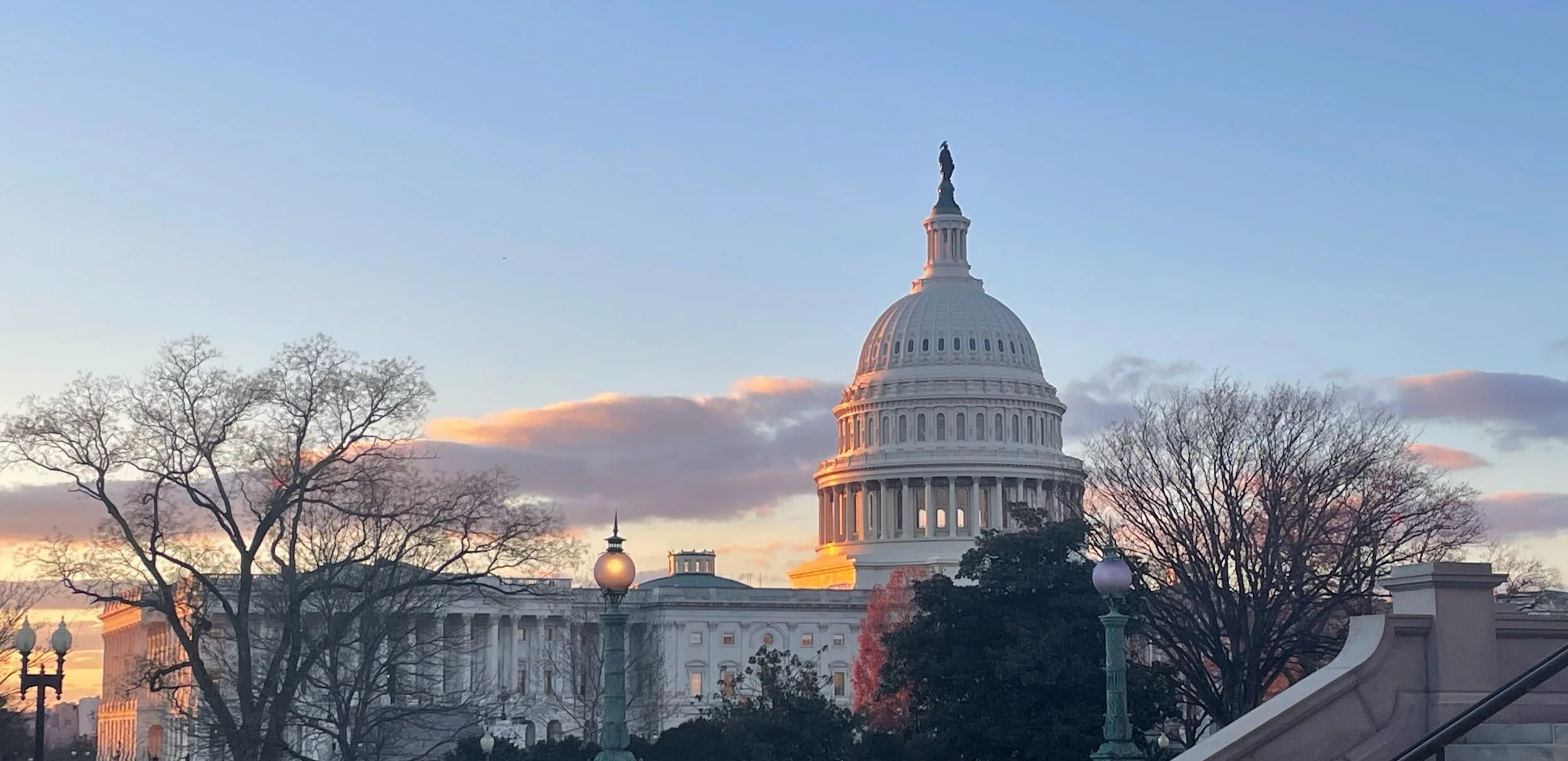
View of the U.S. Capitol Building from the steps of the Library of Congress. (EEH, 12/11/25)


To watch the recording of this Poet Laureate Inaugural Reading at the Library of Congress on December 11th, 2025, see the LOC’s YouTube page: https://www.youtube.com/live/4YajaYY0ktc?si=anqgau_pNLMtH5rm Enjoy!


All text and photos copyright Emily Hancock 2026, except where noted.

7 Comments

New Letterpress Chapbook by Arthur Sze

Comment

New Letterpress Chapbook by Arthur Sze

Every line of poetry is a horizon. It opens worlds, near or far; it's a seam, a beckoning, an edge where everything intersects; a traversal.

Some poets are masters of horizon lines ~ the edges of light, loss, existence. One of those is Arthur Sze. His poetry has opened myriad new vistas for me, both as a reader and as a writer. His use of penetrating, layered, kaleidoscopic imagery shakes me awake, and I open to a vast, intricate world of simultaneous existences, events, emotions. Sze’s poems unfold new visions and meanings with each reading, and I discover something new about the cosmos and my life in it. 

I am deeply honored to work with Arthur Sze to create a new chapbook of his poems called Starlight Behind Daylight—a collection of twelve pieces that resonate singly and collectively, that engage us on the knife-edge of now. Grouped in three sections of four, these poems converse with each other and with us. They bring into focus the simultaneities, the shifting possibilities, of life on earth together. 


Arthur Sze Photo (Gander).jpg
Emily Hancock and I went back and forth discussing the poems that have been assembled in *Starlight Behind Daylight.* They consist of six poems from my latest book, *Sight Lines,* and six new poems that are in deep conversation with them. The process by which they came together was a true and exciting collaboration, and the ensuing poems move between snow and fire, darkness and light, emptiness and fruition.
— Arthur Sze

The limited edition chapbook will be hand-set in Centaur and Arrighi types, letterpress printed, and hand-sewn here at St Brigid Press. (Price TBA.) More information and photos will be forthcoming as the project progresses. To receive our email newsletter with updates, and/or to reserve a chapbook, please email us — info@stbrigidpress.net

Until next time, all best wishes to each of you as you traverse the horizons before you!

Emily

Emily Hancock
St Brigid Press
Afton, Virginia

The header image of the Cat’s Paw Nebula courtesy of NASA/JPL-Caltech/IPAC (https://photojournal.jpl.nasa.gov/catalog/PIA22567)

Photo of Arthur Sze by Forrest Gander.

Text by Emily Hancock and Arthur Sze.

Copyright 2019. All rights reserved.

Comment